Wine Tasting Near Dubrovnik: A Guide to Croatia’s Pelješac Peninsula Wineries

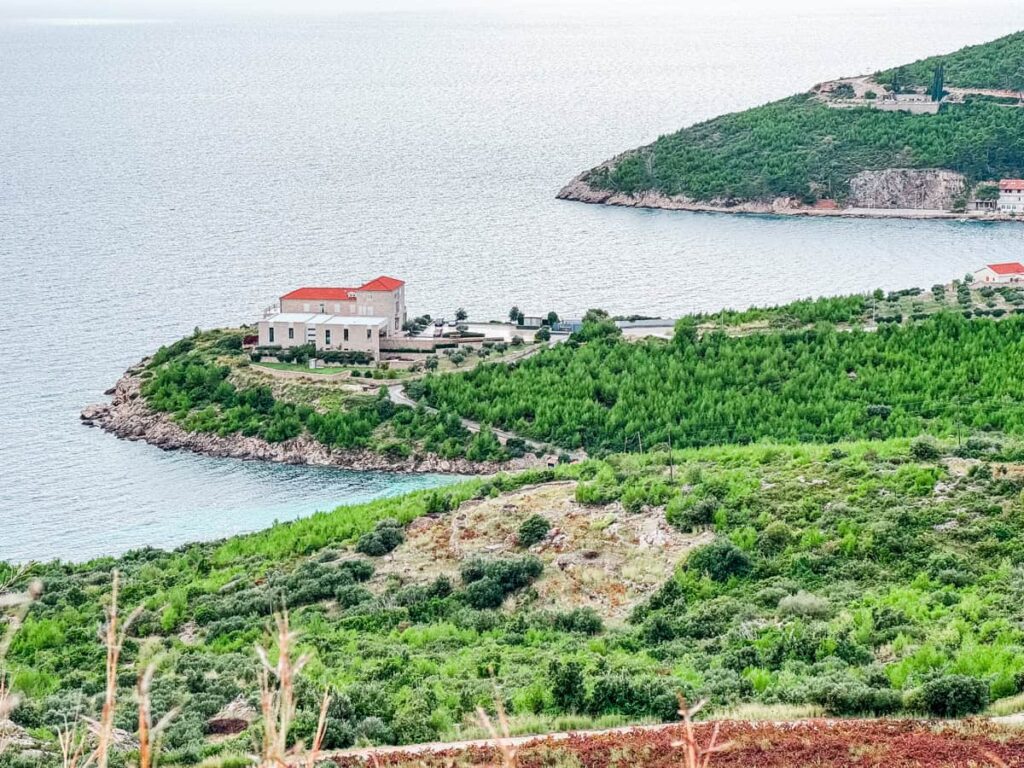
Just north of Dubrovnik, the Pelješac Peninsula is one of Croatia’s most important wine regions. It’s the home of Plavac Mali, a red grape grown in famous areas like Dingač, where vines cling to impossibly steep slopes descending to the Adriatic Sea.
Several dozen wineries are spread out across the peninsula, so it’s perfect for a wine tasting day trip from Dubrovnik or a multi-night stay. Between tastings, you can visit places like Ston and Mali Ston, known for oysters, salt production, and the longest city walls in Europe.
As a certified wine expert, I recently spent several days exploring Pelješac Peninsula wineries firsthand and tasting the wines. I put together my top picks, along with practical tips on tours, where to stay, and how to plan your visit. So, you can decide where to sip and how to make the most of your time.
Pelješac Peninsula Wine Tasting
Wineries on Pelješac (pronounced pell-yeh-shahts) are spread out across the peninsula, and most visits are guided tastings rather than quick walk-ins. I recommend limiting yourself to two to three wineries per day. Most places require reservations, and you’ll often need to email to book, so make sure to plan ahead.
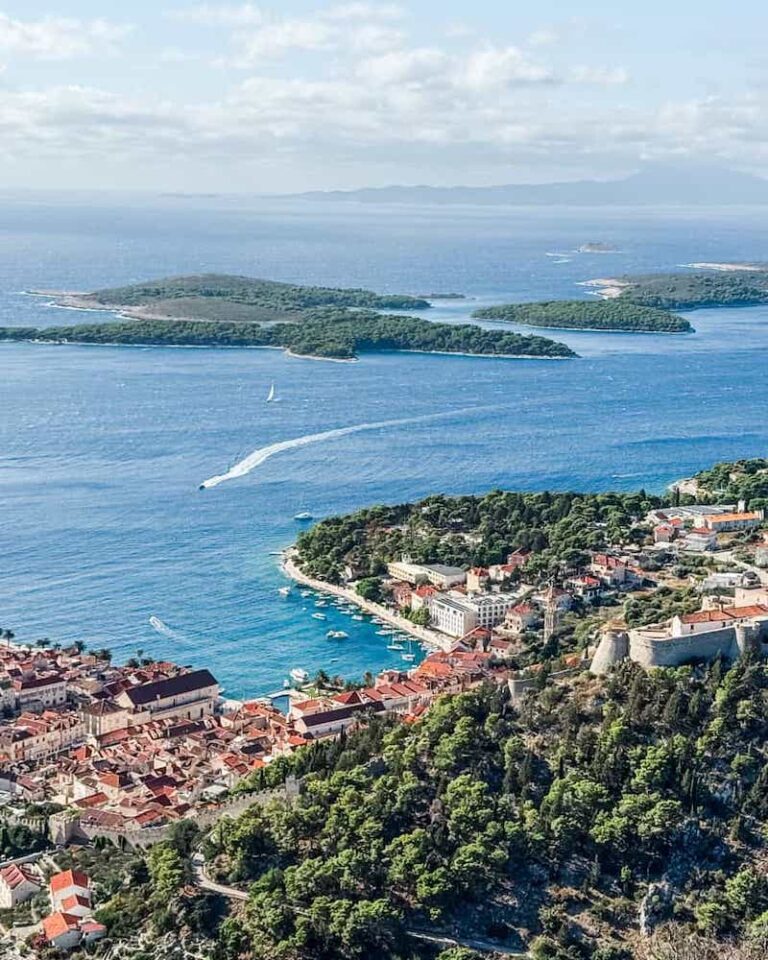
If you’re continuing on to visit wineries on the island of Korčula, it’s just a short ferry ride from Orebić. Also, check out my guide to Hvar wineries, another island wine region in Croatia worth exploring.
Vina Miloš
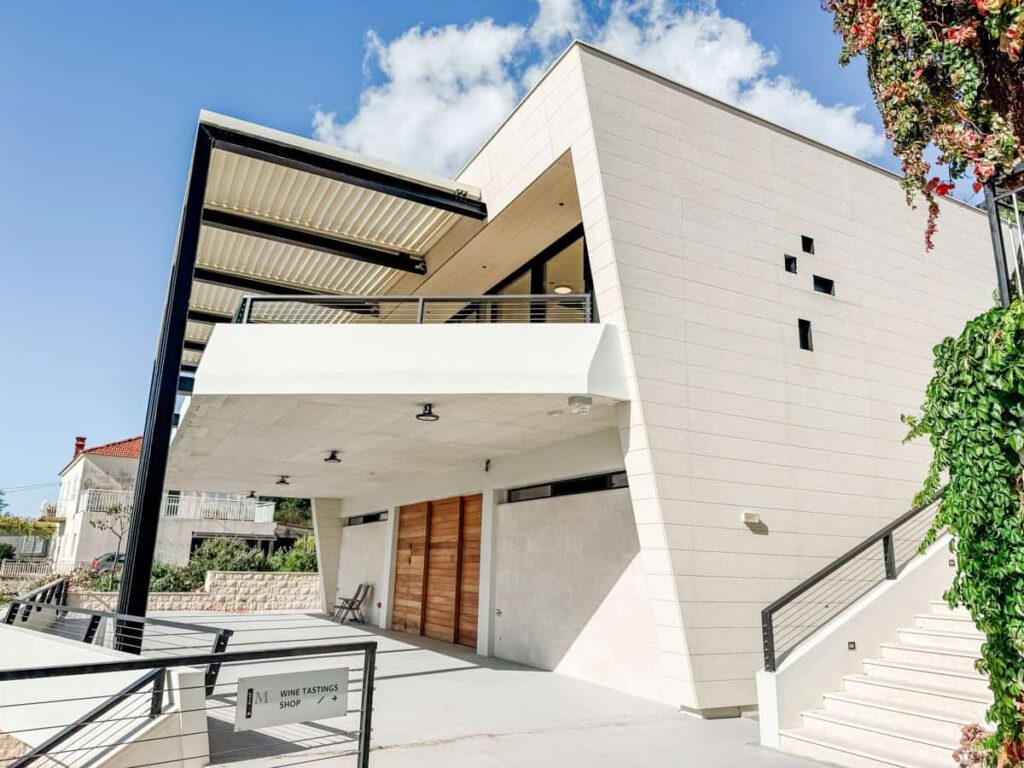
Miloš is one of the oldest producers on the Pelješac Peninsula. So, it’s a great first stop to learn about the region while also tasting more modern-style wines.
The Miloš family has been making wine here for around 500 years. The current version of the winery was founded by Frano Miloš, who helped push Croatian wine toward higher-quality production.
The vineyards are dry-farmed and organic, planted among stone walls to prevent soil erosion. And the wines are made with lower alcohol than the traditional styles from the peninsula. Their best-known is Stagnum, the Latin word for Ston, and it’s aged nine years before release.
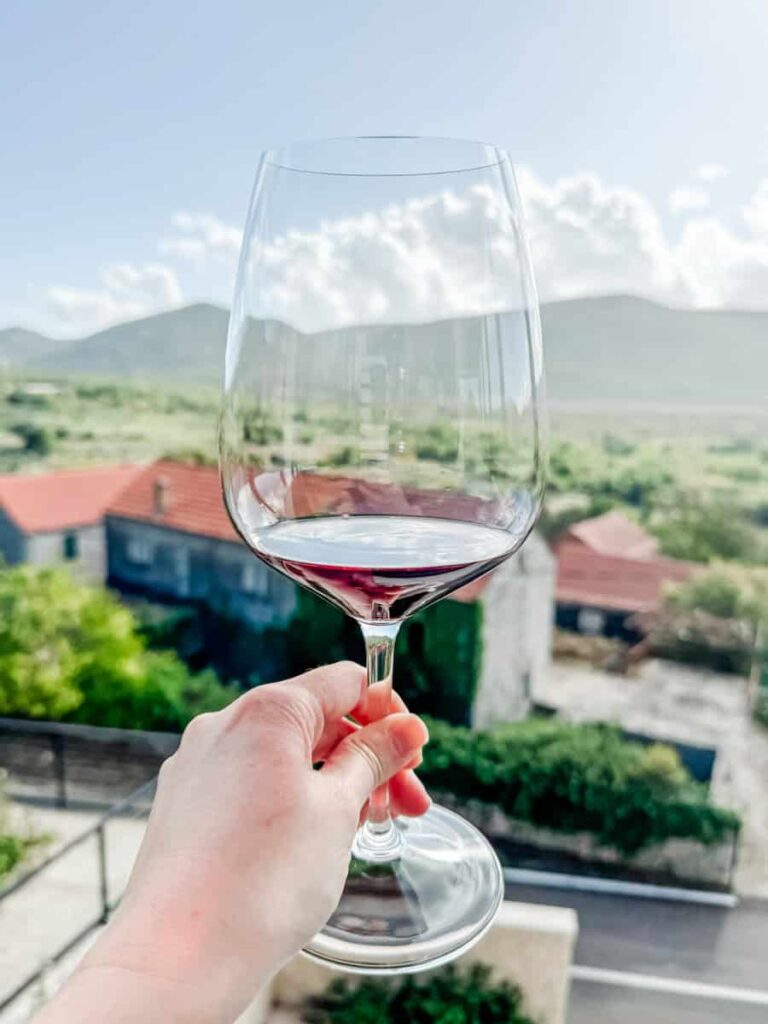
My visit started with a tour of the cellar, moving from the newer space into the original part with the oldest barrels. The guide explained how the exposed stone walls naturally control the temp and humidity. After the tour, my tasting took place on the balcony. Each wine was poured and explained individually, with plenty of time to enjoy and take in the views of the village and surrounding hills.
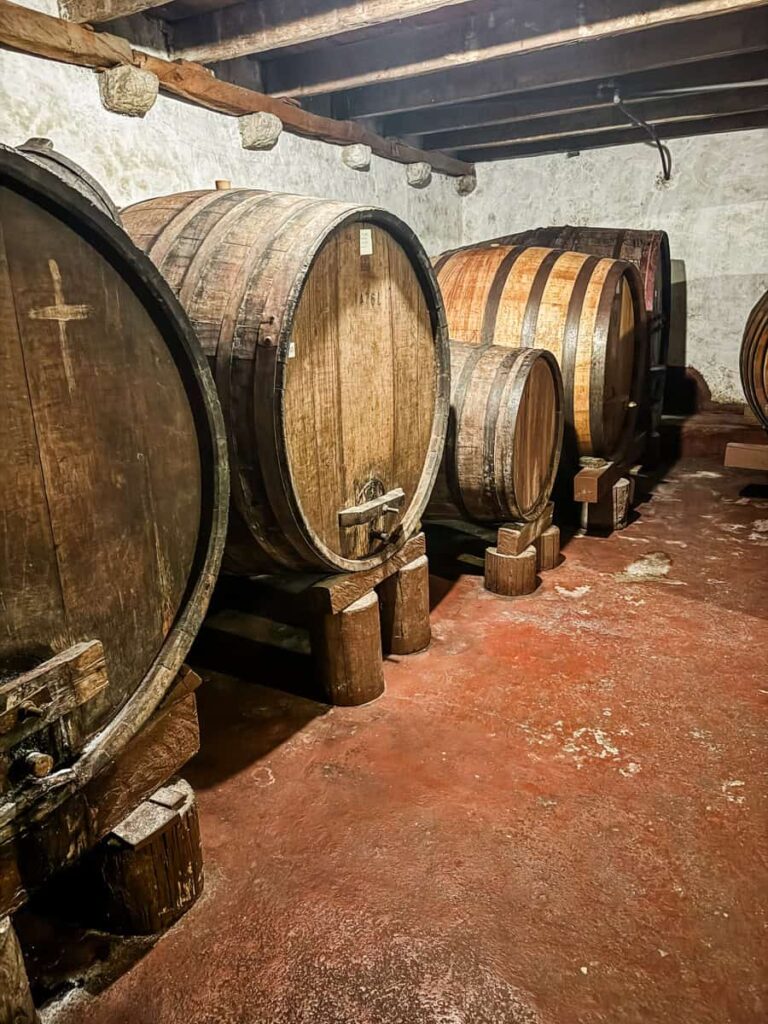
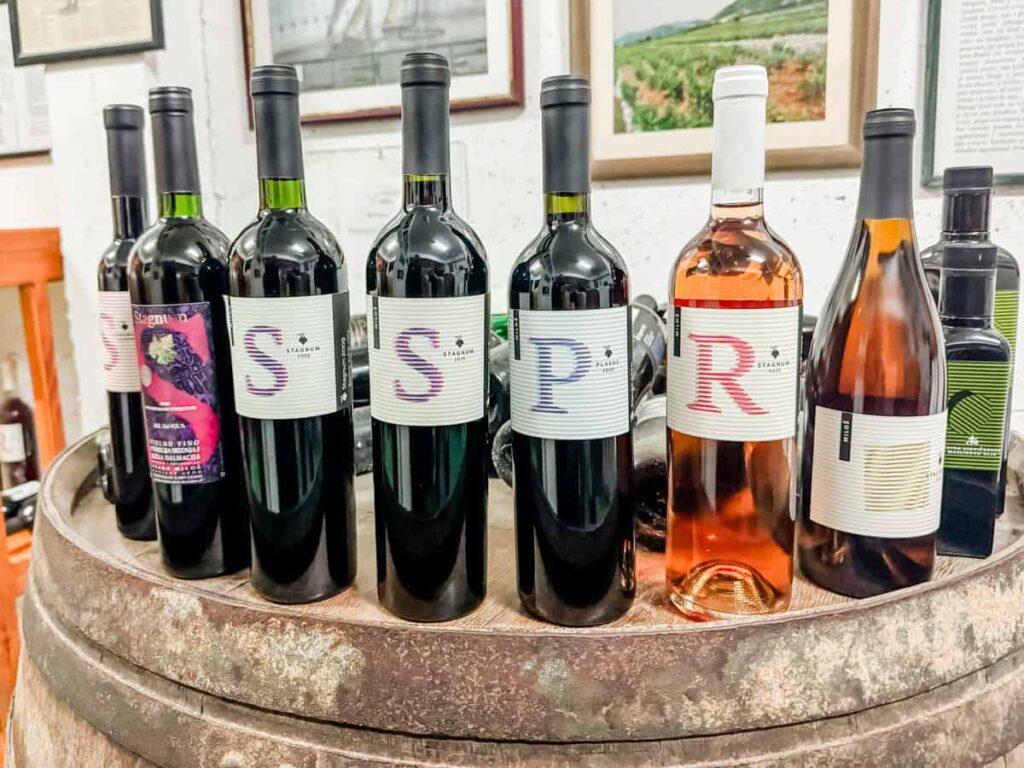
Vina Miloš, Boljenovići 15, 20230, Ston
Grgić Vina
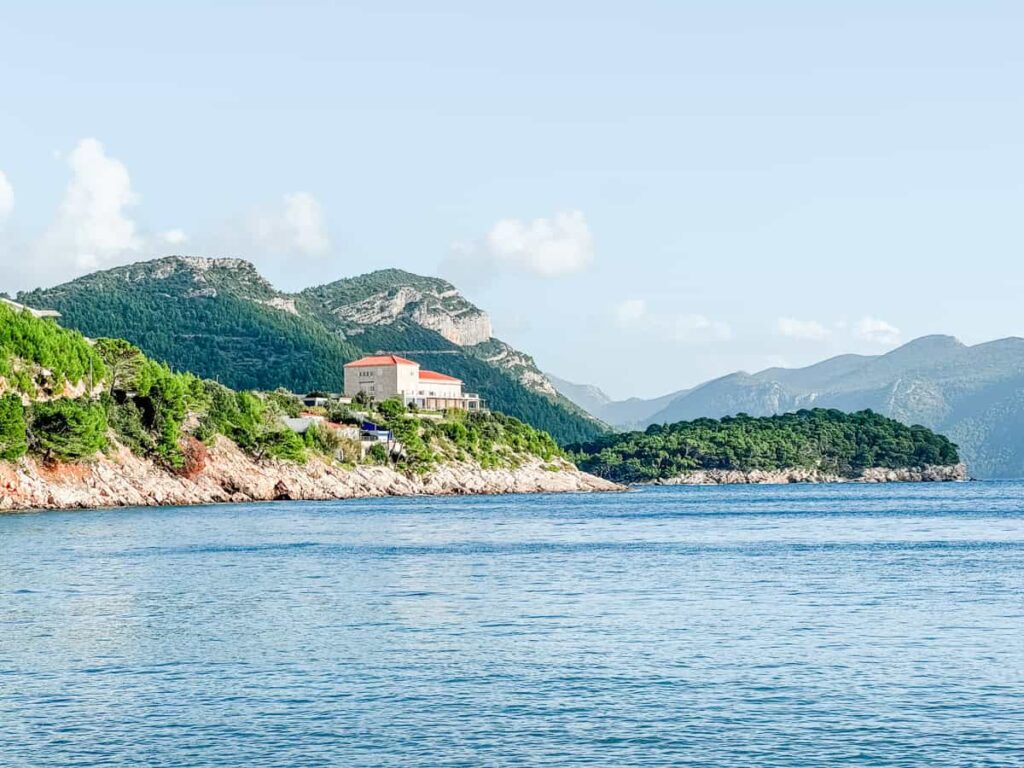
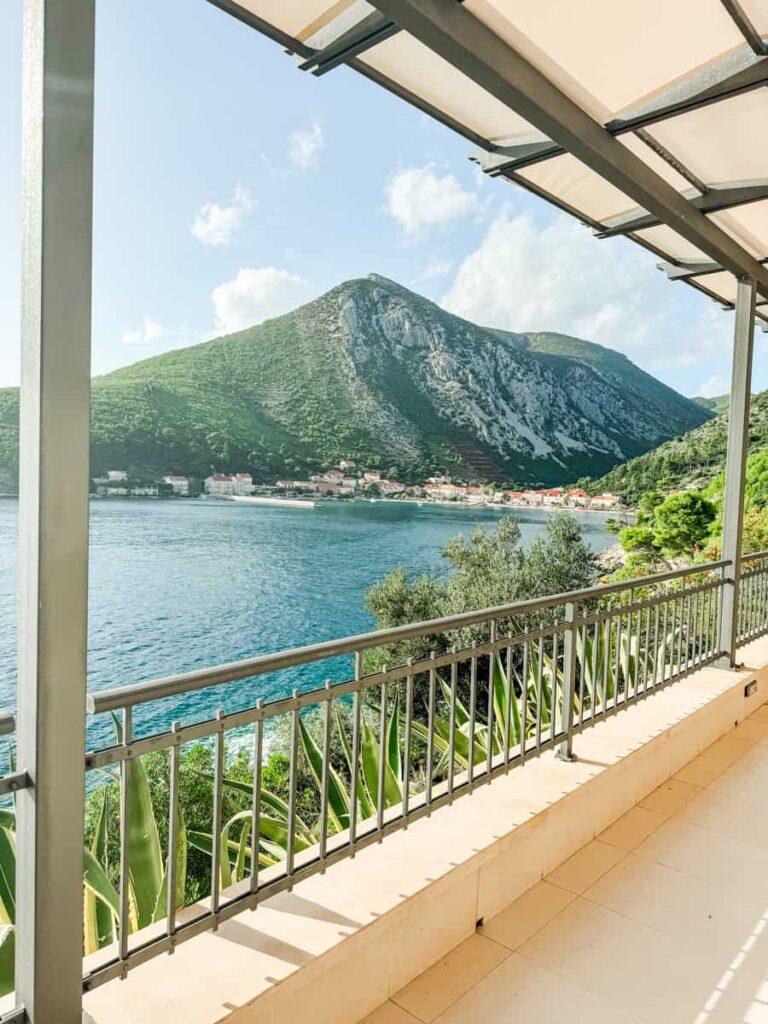
If the name Grgić rings a bell, you’ve likely heard of their sister winery in Napa: Grgich Hills Estate. Not only are they known for their wines on both sides of the Atlantic, but the views here alone make it worth the stop. The winery is set on its own little peninsula jutting out into the sea in the small village of Trstenik.
Founder Miljenko “Mike” Grgich was born in Croatia but left during World War II. He landed in Napa Valley and became famous for making Chateau Montelena’s Chardonnay that won the 1973 Judgement of Paris. After starting his own winery, he returned to Croatia with the goal of supporting its growing wine industry.
In addition to opening the Croatian winery, Mike also championed the research that connected California’s Zinfandel to Croatia’s Crljenak Kaštelanski, which is the parent grape of Plavac Mali. He passed away in 2023 at the age of 100, but his daughter Violet and nephew Ivo carry things on.
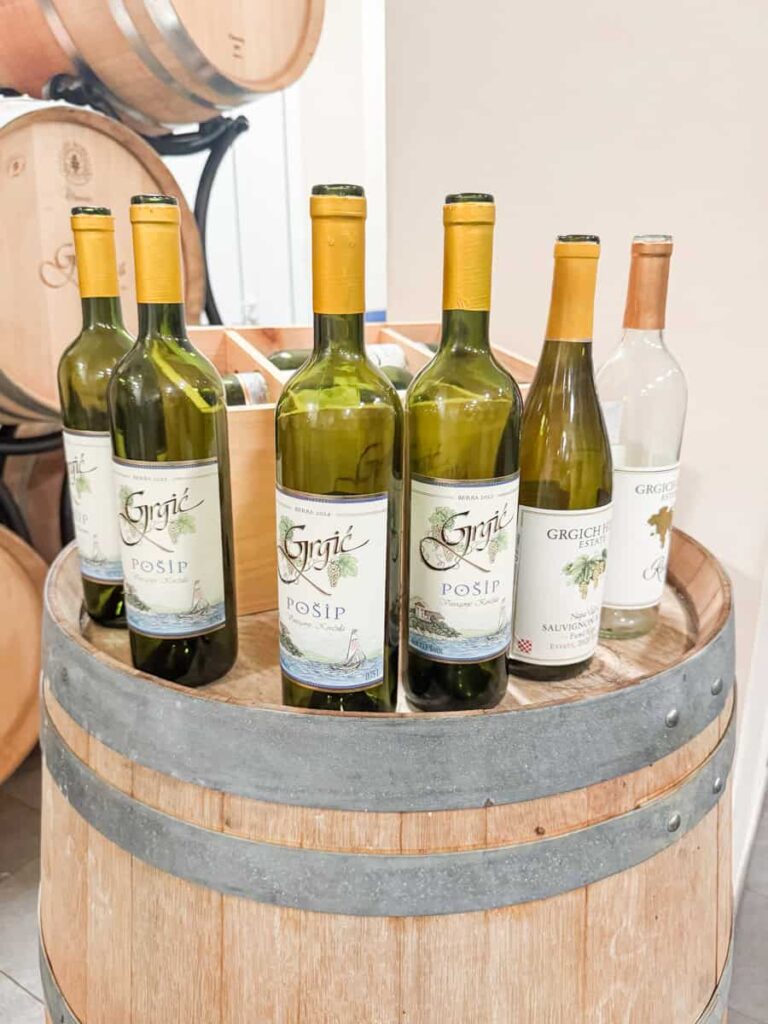
Grgić Vina focuses only on the native grapes of Plavac Mali and Pošip. I sampled both of these on my visit, along with one from the Napa estate. In warm weather, the outdoor terrace is the place to sip and take it all in. But even in the cooler season, the floor-to-ceiling windows gave me great views of the sea and the village. My visit wrapped up with a short cellar tour where I learned more about Mike’s story and their winemaking practices.
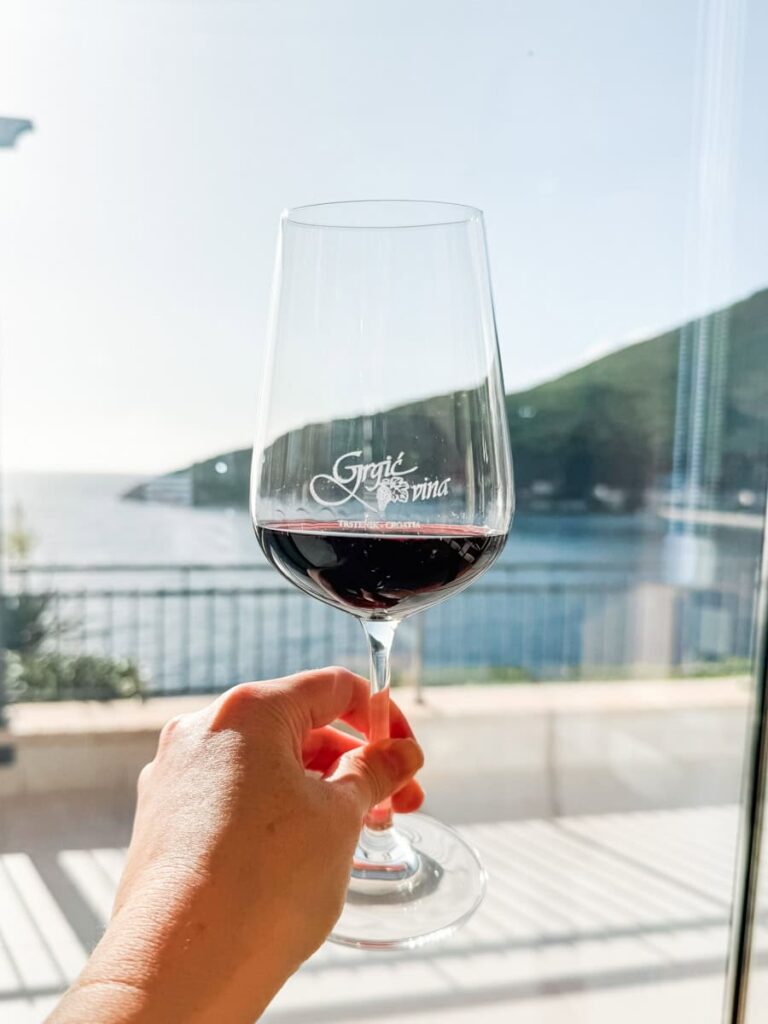
Grgić Vina, Trstenik 78, 20 245 Trstenik
Don’t Plan a Wine Trip Without This Checklist
After years of planning wine trips around the world, I created the checklist I wish I’d had from the start. It walks you through exactly what to do and when, from early research to week-of to-dos, so planning your trip feels simple instead of stressful.

Korta Katarina Winery
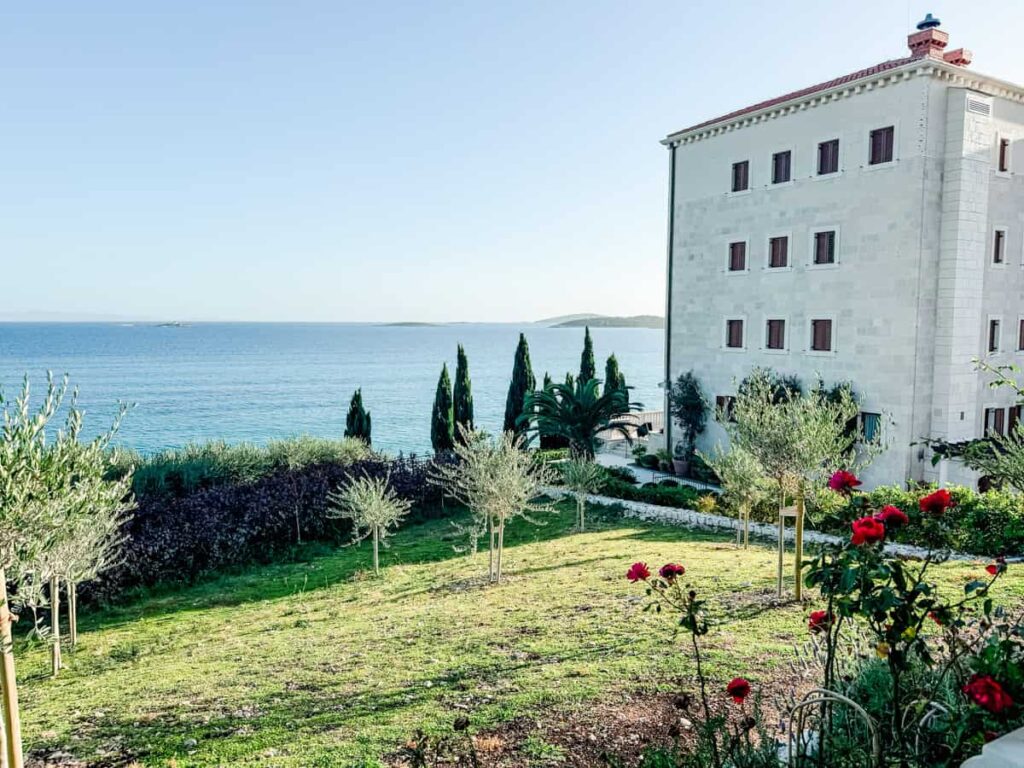
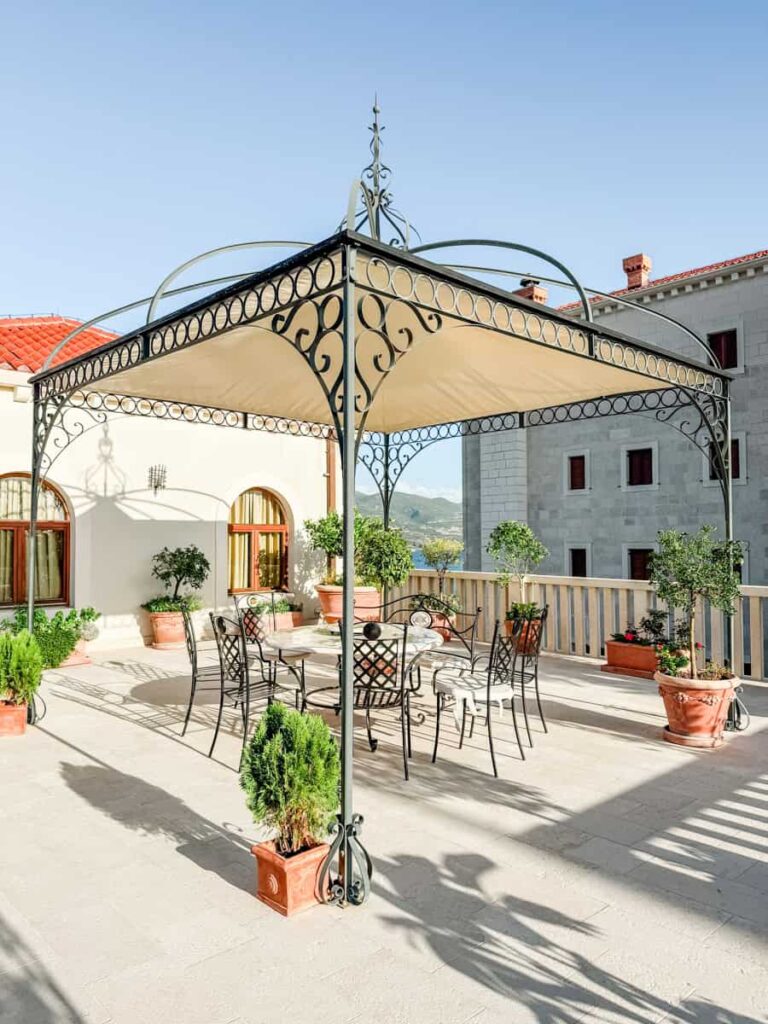
If you’re interested in food and wine pairing experiences, Korta Katarina is a must visit. It’s located in Orebić, right on the water, and feels more like arriving at a Mediterranean estate than a typical winery visit.
American owners Lee and Penny Anderson first came to the region while helping with post-war reconstruction projects in Bosnia and Herzegovina. They fell for Croatia and its wines, eventually purchasing vineyard plots on the Pelješac Peninsula and producing their first vintage in 2006. The former Rivijera Hotel was turned into a luxury villa, and they added the winery and tasting room.
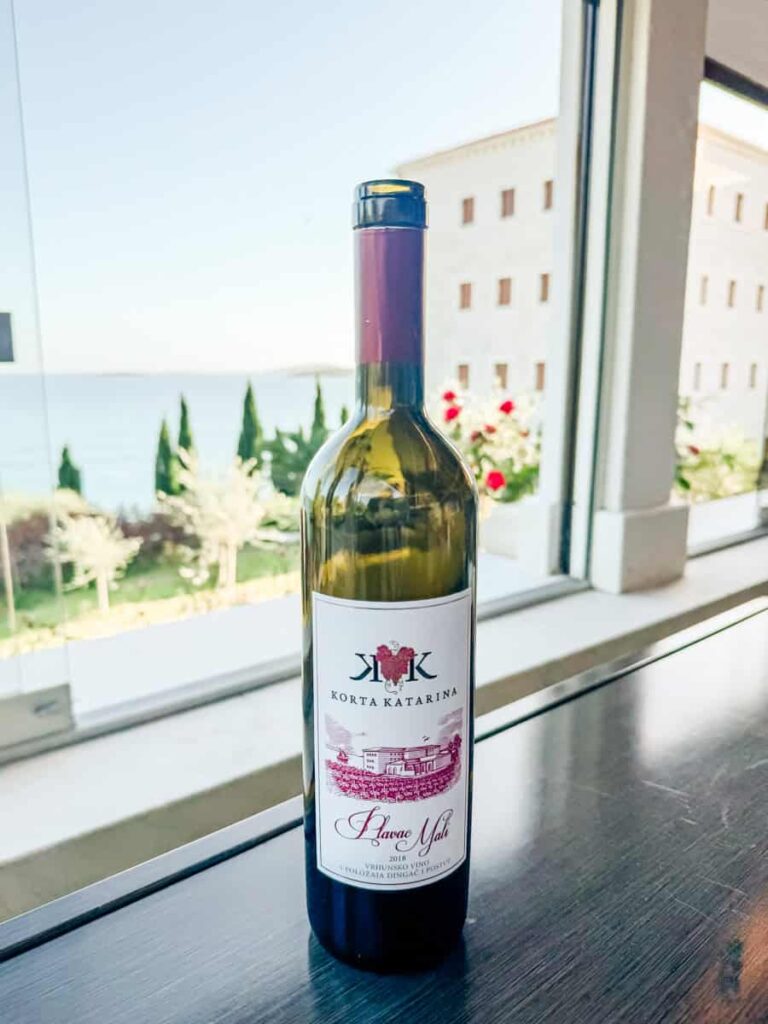
Korta Katarina works mainly with Plavac Mali from their estate vineyards on the peninsula and Pošip sourced from the island of Korčula. They’ve clearly invested a lot into both the vineyards and the overall experience, and it shows as soon as you arrive.
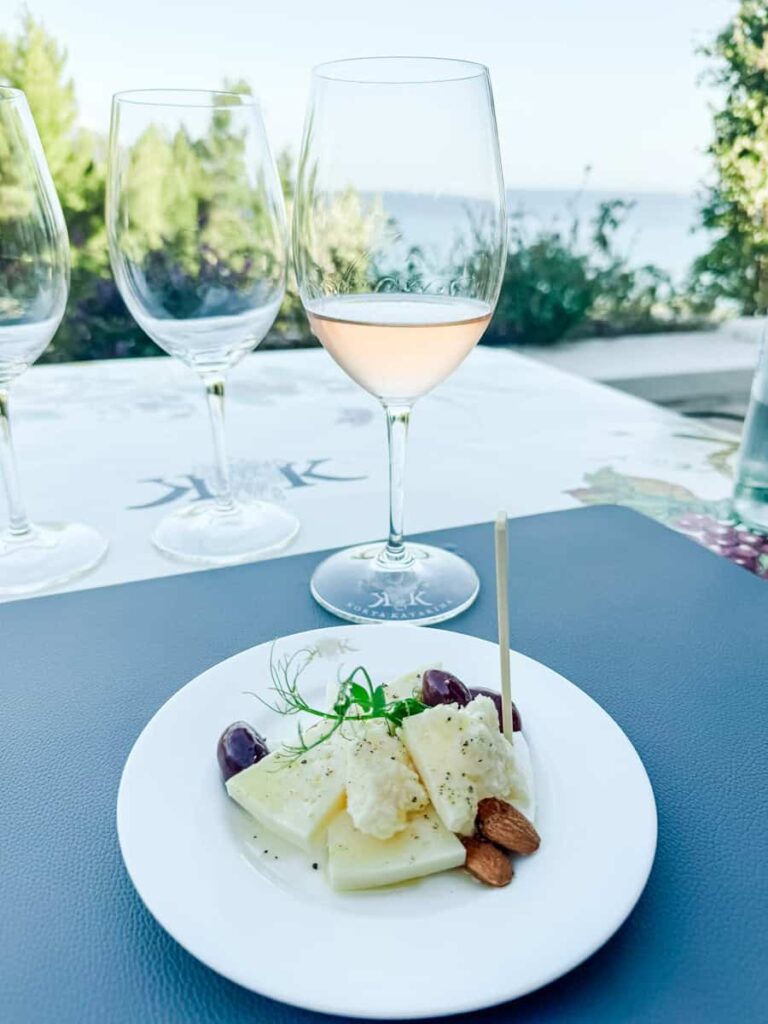
When I visited, I walked up a flower-lined path to the tasting room and restaurant, with huge glass windows overlooking the sea. I was shown to a table set with wine glasses and a plate of cheeses and olives, and poured a welcome glass of rosé. The tasting itself was educational, and the service was excellent. Afterward, I was given a private tour of their underground cellar to see where the wines are made and aged.
Korta Katarina Winery, Ul. Bana Josipa Jelačića 3, 20250, Orebić
Vina Antičević
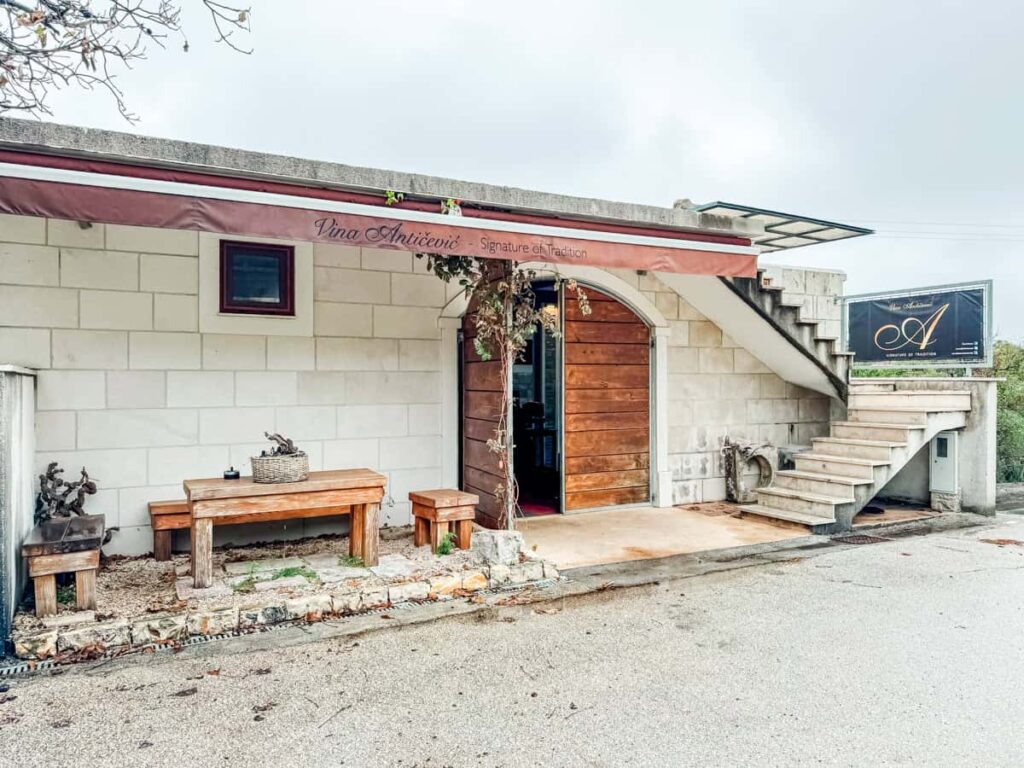
Antičević is a small, family-run winery right near the tunnel that leads to the Dingač slopes. It’s a great stop if you want a more intimate tasting and to see how Plavac Mali and Dingač wines can vary in style.
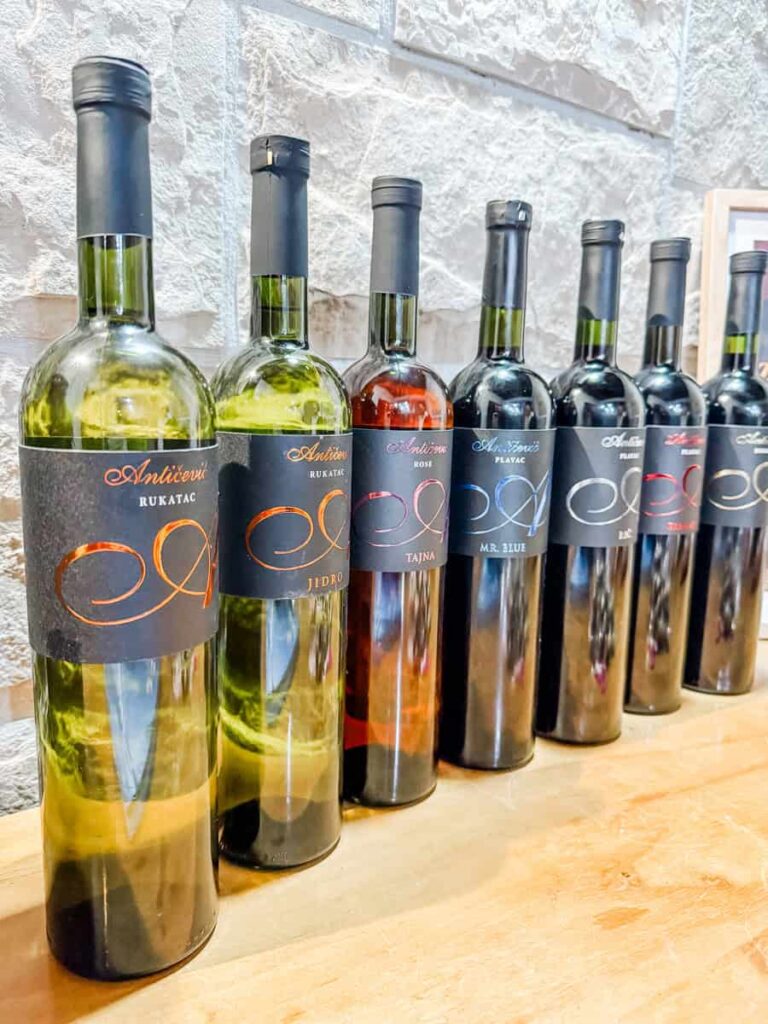
The family has grown grapes here for generations and used to sell them to a local co-op. The winery started when brothers Niko and Antun decided to make their own wines from the grapes. Today, they produce white wines, Plavac Mali, and Dingač in both traditional and modern styles.
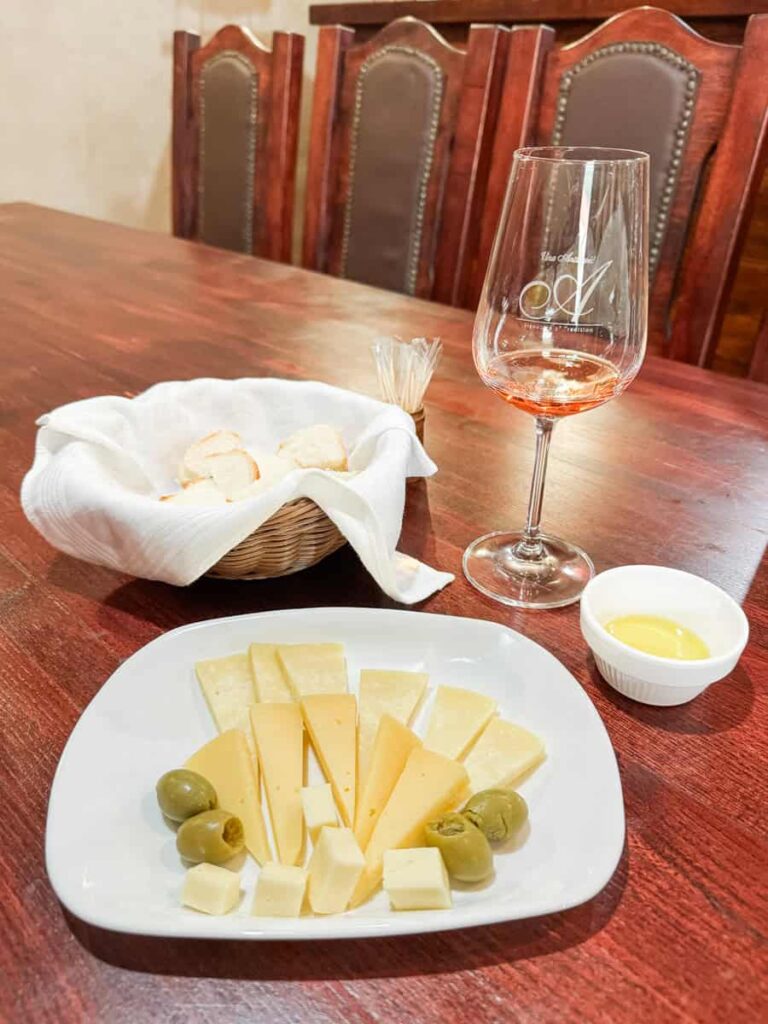
I had planned to meet Niko for the tasting but he was sick, so his mother was there to greet me when I arrived. She was incredibly welcoming and shared stories about the family, the village, and the vineyards as I tasted. I got to sample some of the white wines straight from the tank. Then she poured the red wines along with bread, cheese, and olives.
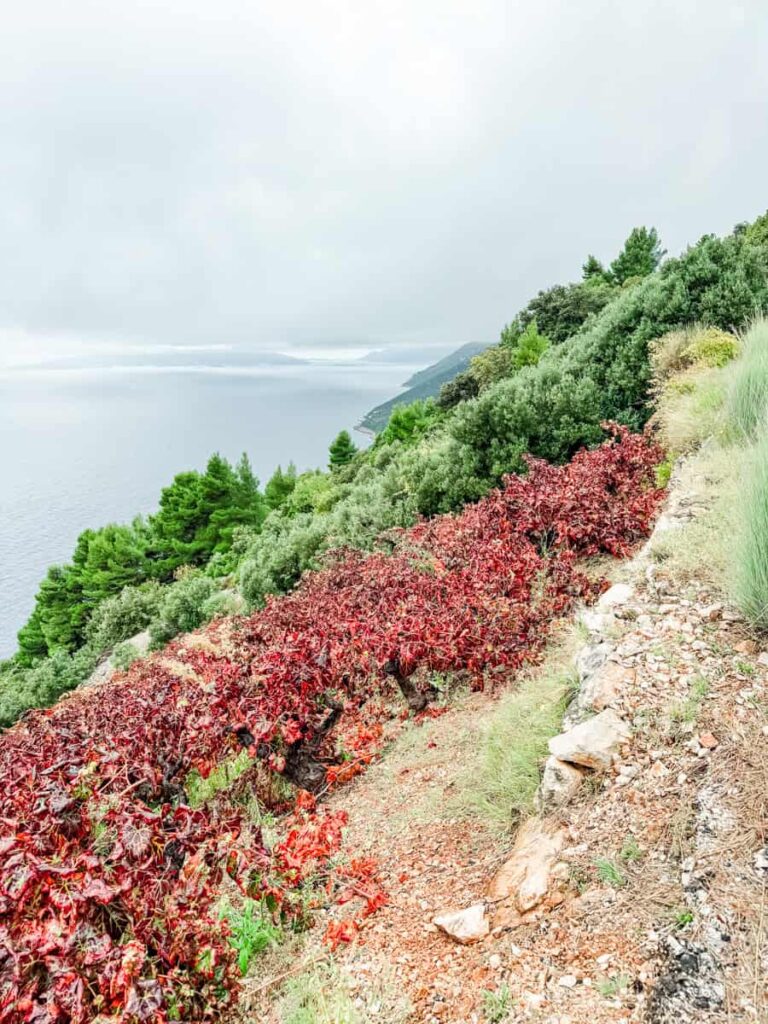
I liked getting to taste both the traditional and modern styles and see how methods have changed over time. Afterward, I drove through the tunnel to see the steep Dingač vineyards in person. It’s definitely worth a stop, but just be prepared for very narrow roads.
Vina Antičević, Potomje 44, 20244 Potomje
Vina Terra Madre
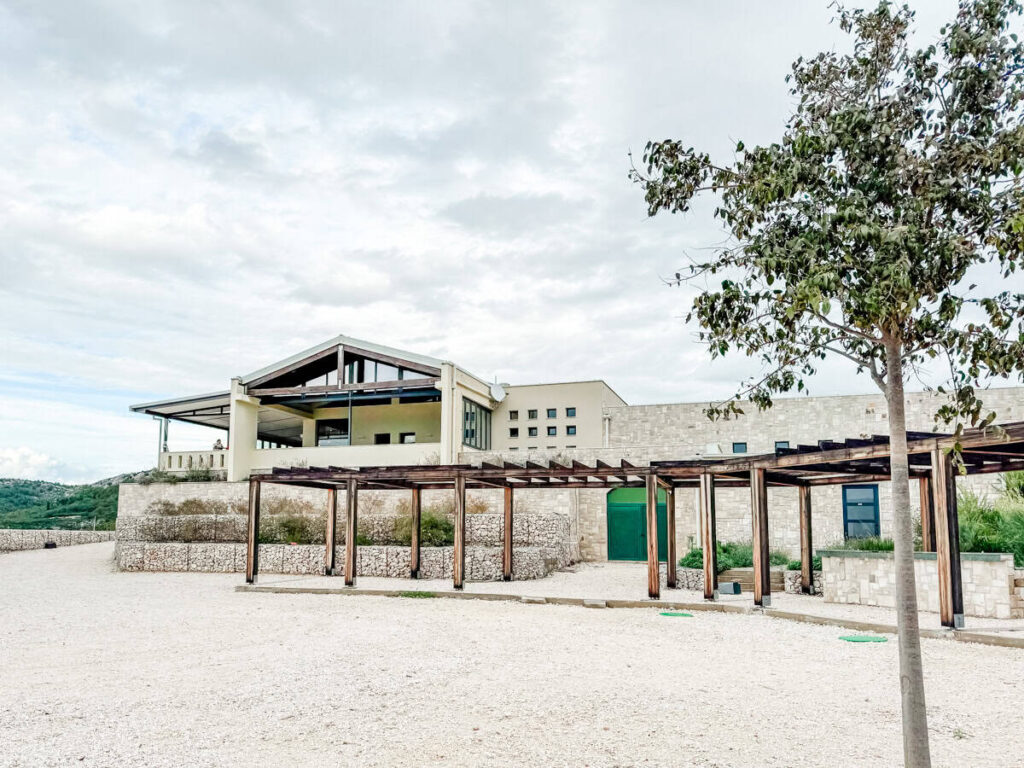
While Terra Madre isn’t technically on the Pelješac Peninsula, it’s absolutely worth the stop. It’s just over the Pelješac Bridge along the coast, making it an easy add if you’re heading north to Split. The views alone are reason enough to pull over.
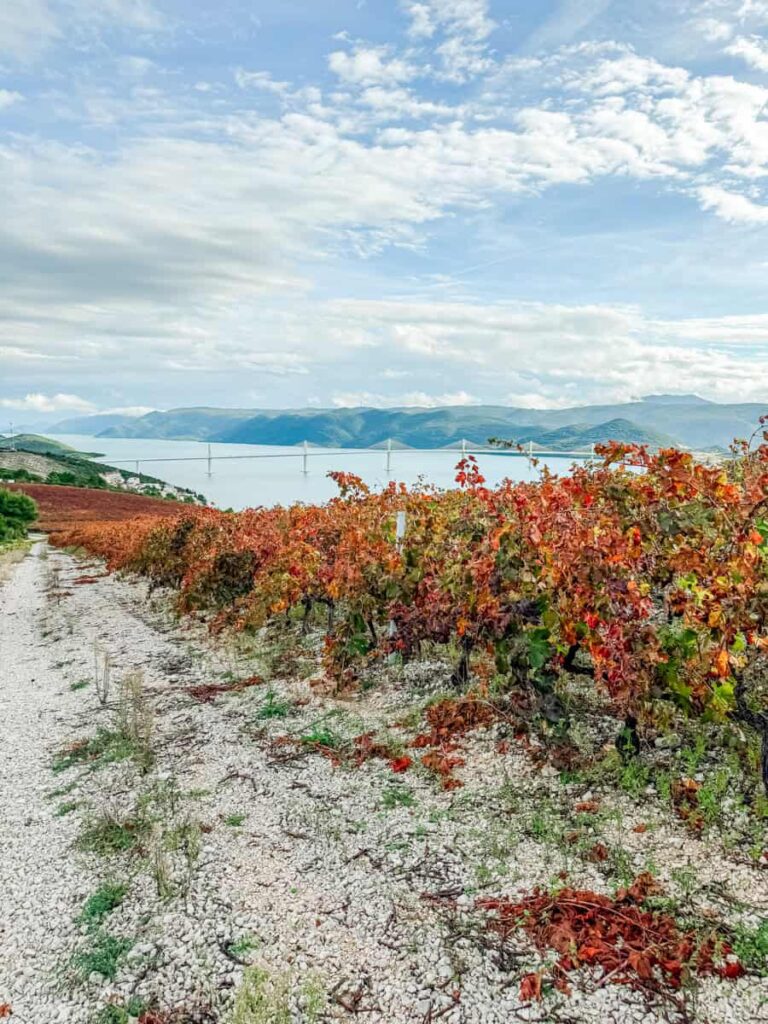
The winery sits in the Komarna appellation, where vines were first planted in 2008 on steep limestone slopes above the sea. The vineyards are organically farmed and certified ecological, with long sun exposure that helps with grape ripening. Terra Madre released its first vintage in 2017 and focuses on small-production wines.
The drive up to the winery winds uphill through the vineyards, with sweeping views back toward the Pelješac Bridge and the water below. I couldn’t resist stopping along the way to snap a few photos before reaching the tasting room. The setup is modern, with a covered patio and a lower terrace.
I ordered a flight and grabbed a table outside, where the views were even more dramatic. Between the excellent wines, the island-speckled sea, and the cascading vineyards, it was one of those places that’s hard to leave.
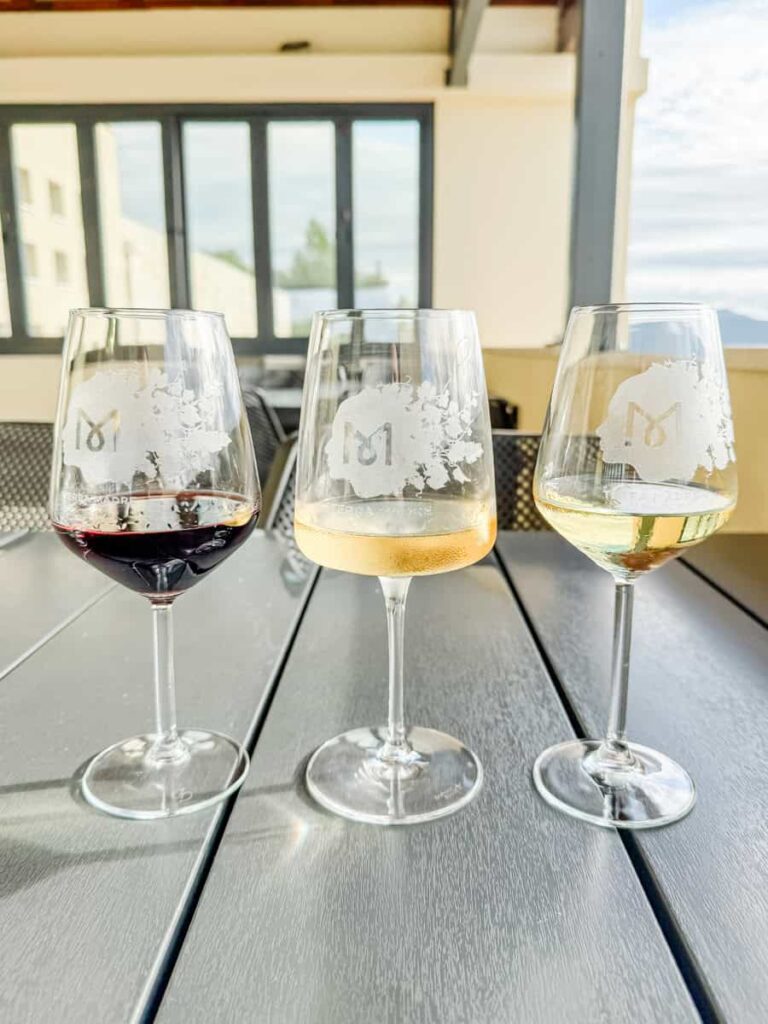
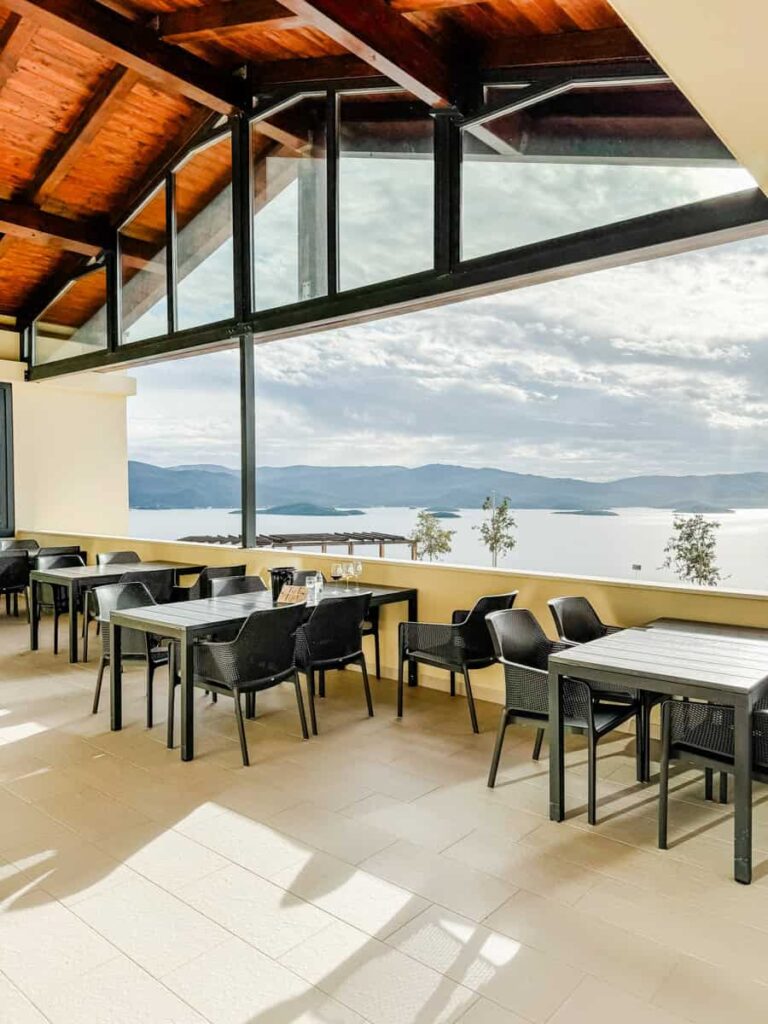
Vina Terra Madre, Komarna 9, 20355 Komarna, Hrvatska
Pelješac Peninsula Wine Tours
I drove myself around the Pelješac Peninsula and found driving in Croatia to be pretty easy. That said, some of the roads on the peninsula are winding and pretty narrow. And when you’re wine tasting, it’s always better to let someone else do the driving.
These are two great tour options that start in Dubrovnik and take you out to Pelješac for the day:
- Small-Group Wine Tour – Includes tastings at three Pelješac wineries, often including Grgić and Miloš, plus a stop in Ston with an optional oyster tasting. Snacks included, with a local guide and hotel pick-up and drop-off in Dubrovnik. Groups are limited to eight people.
- Private Wine Tour – Includes tastings at three Pelješac wineries, often Grgić and Miloš, with a stop in Ston and the option for lunch and oyster tasting. Includes a private local guide and hotel pick-up and drop-off in Dubrovnik.
🚌 Book the Small Group Tour
🚌 Book the Private Tour
Where to Stay For Pelješac Peninsula Wine Tasting
While you can visit Pelješac as a long day trip from Dubrovnik, there are enough wineries here that it’s worth staying at least a night or two.
If you’re also planning to visit Korčula (which I recommend), Orebić is a great base. It’s the largest town on the peninsula with several nearby wineries, and where the ferry to Korčula departs. These are two great places to stay in Orebić, depending on your travel style:
- Heritage Hotel Adriatic – An adults-only hotel in a historic building right on the water. All rooms have sea views, there’s an on-site restaurant and wine cellar, and guests have access to a private beach area.
- Hotel Crystal – A more modern option with family-friendly rooms and balconies. The hotel has a saltwater swimming pool, sauna and steam room, an on-site restaurant, and it’s about a four-minute walk to the beach.
🏨 Book the Heritage Hotel Adriatic
🏨 Book the Hotel Crystal
FAQs About Wine Tasting in Pelješac Peninsula
The best time to visit is late spring and early fall. Most wineries are open from May through September, with fewer options once you get into October.
By mid to late October, many wineries close for the season, so I don’t recommend visiting in winter if wine tasting is on your wish list. Also, if you plan to spend time in Dubrovnik, be aware that July and August are peak season and it gets very crowded.
The closest major airport is in Dubrovnik (DBV). From there, it’s about a 1.5–2.5 hour drive, depending on where you’re headed on the peninsula. You can book guided wine tours or private transfers from Dubrovnik. But renting a car gives you the most flexibility, especially since wineries are spread out.
You can also fly into Split (SPU) and it’s a 2-3 hour drive. Or you can take a seasonal ferry from Split to Orebić via Korčula. Just be aware that it’s typically passenger-only, and car rentals are more limited in Orebić than at the airports.
If you’re tasting wine on the Pelješac Peninsula, you’ll mostly be drinking Plavac Mali, Croatia’s most important red grape. It’s a natural cross of Crljenak Kaštelanski (Croatia’s Zinfandel) and Dobričić, and it ripens unevenly. That’s why you often get a mix of very ripe and underripe fruit, plus high alcohol and tannins.
The peninsula’s most famous growing area is Dingač, where Plavac Mali is planted on steep, south-facing limestone slopes with long sun exposure, making some of the most powerful wines in Croatia. The nearby Postup area makes similarly structured wines that are often a bit more approachable. You’ll see both traditional styles, which tend to be higher in alcohol and may include some residual sugar, alongside modern, drier versions designed to pair better with food.
While reds dominate, many wineries also make small amounts of white wine, usually from Rukatac (aka Maraština) or Pošip, sometimes sourced from the nearby island of Korčula.
Most wineries close in mid to late October and reopen in May. Very few are open in the off-season, so I don’t recommend visiting in the winter if you’re looking to do wine tasting.
Many wineries are small and appointment-based. A few larger wineries accept walk-ins, but I recommend booking ahead when possible. Most don’t have online booking systems, so you’ll often need to email or fill out a form to find out availability and make a reservation.
Check out more winery etiquette tips.
Tasting fees vary at Pelješac wineries. Some offer basic options between €10 – €20, but others start at €25 and go well up from there for premium tastings or food pairings.
See how this compares to wine tasting costs in other regions.
Keep Exploring Croatian Wine Country
If you’re planning to visit more of Croatia, there are plenty of wine regions worth adding to your itinerary. Just a short ferry ride from the Pelješac Peninsula, the island of Korčula makes an easy next stop, with indigenous white grapes like Grk grown in Lumbarda’s coastal vineyards to inland wineries producing Pošip. Further north, Hvar is Croatia’s sunniest island and home to seaside tasting rooms and small inland wineries focused on Plavac Mali and local white varieties.
Check out More International Wine Destinations
- Hvar Wineries: Where to Taste Wine on Croatia’s Sunniest Island
- All the Active Florence Wine Windows with Map
- The Best Porto Port Houses for Tasting & Tours
- The Best Douro Valley Wine Tour
- How to Visit Cava Wineries Near Barcelona, Spain
- The Best Tour for Bordeaux Wine Tasting
- The Best Santorini Wineries
- 3 Best Heraklion Wineries & Vineyards in Crete, Greece
- 3 Crete Wineries in Chania You’ll Love