6 Best Chianti Wineries Near Florence: From Cheese Farms to Castles

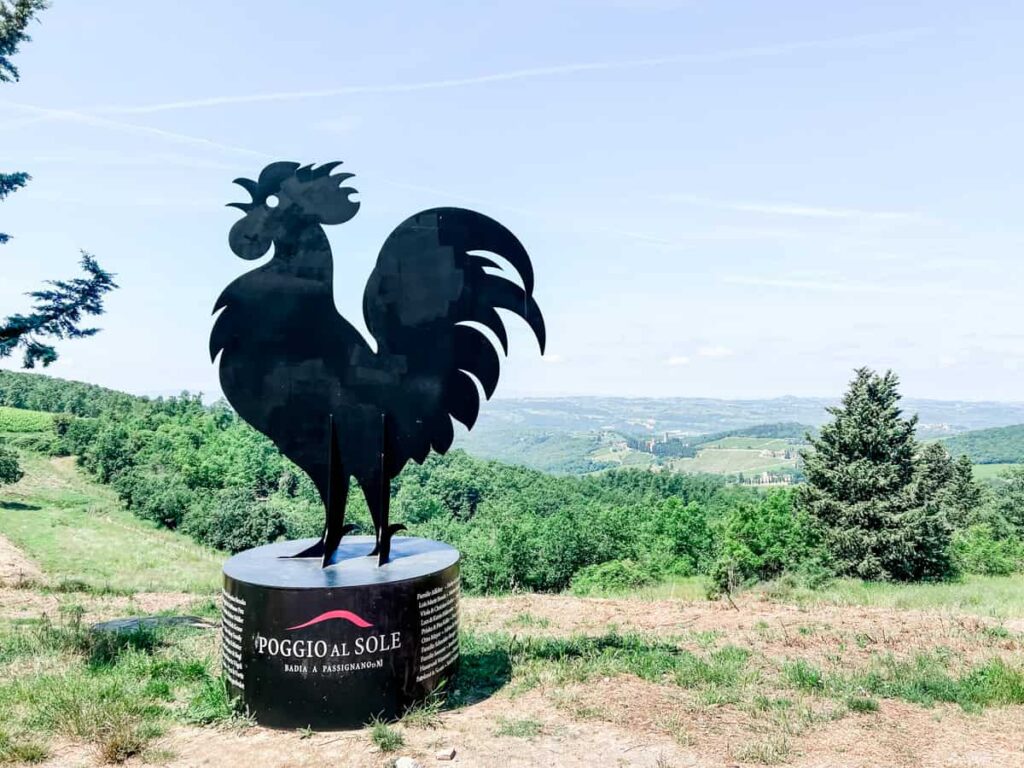
If you’re planning a trip to Tuscany, visiting Chianti wineries should definitely be on your list. Located between Florence and Siena, this region is where you’ll find Chianti Classico, the Sangiovese-based red wine marked by the famous black rooster seal.
Like many wine drinkers, I was familiar with Chianti long before I visited the region. But tasting the wines in Tuscany gave me a whole new appreciation for them. And I found everything from tiny family-run wineries and cheesemakers to historic estates and castles, all within an easy drive of Florence.
As a certified wine expert, I spent several days exploring Chianti wineries while staying in Florence. I put together my favorite spots, along with practical tips on tours, where to stay, and how to plan your trip.
Whether you’re looking for an easy day trip from Florence or planning to spend a few days exploring Tuscany wine country, this guide will help you make the most of your visit.
Wine Tasting in Chianti
Most Chianti wineries are spread throughout the region, so you’ll need a car or guided tour to visit them. I recommend limiting yourself to two or three wineries per day, especially if you’re booking tours or food pairing experiences. Many wineries also require reservations, and you’ll often need to email or call to book your visit.
If you’re looking to do more wine tasting in Tuscany, check out my guides to Florence wine windows and wineries in Montepulciano.
Corzano e Paterno
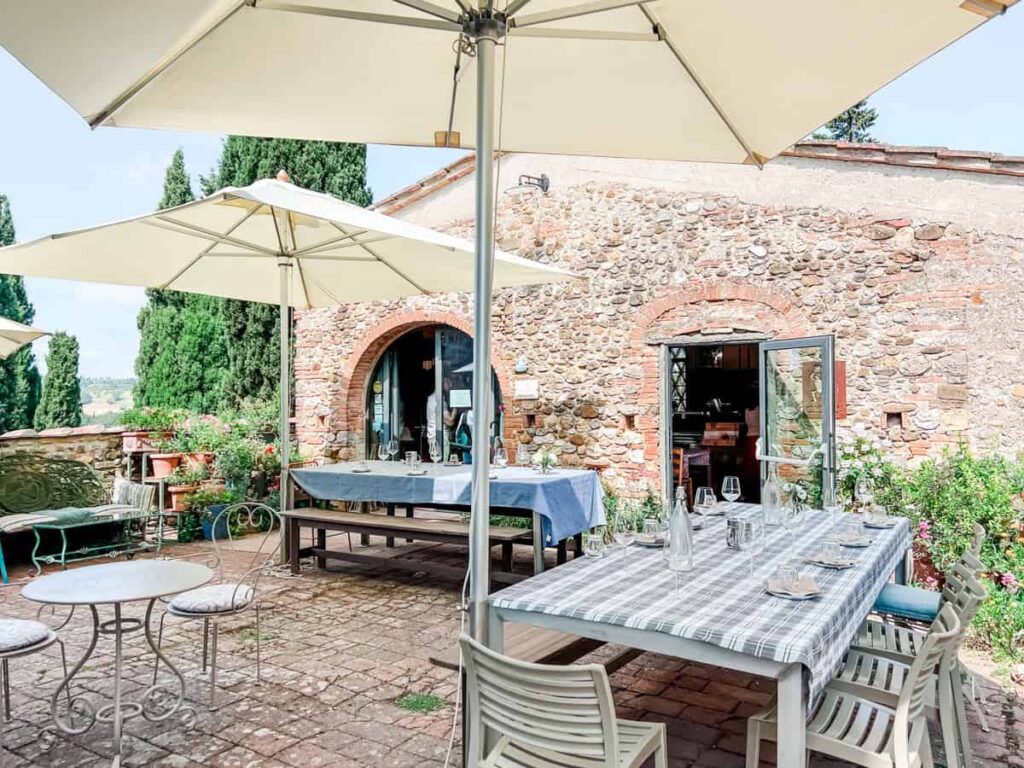
If you love cheese as much as wine, make time for a visit to Corzano e Paterno. It was one of my favorite wineries in Chianti, with some of the best wines I tasted during the trip. Getting to pair them with cheeses made right on the farm made the experience even better.
The family-run estate produces wine, olive oil, and cheese on a 200-hectare farm just north of the Chianti Classico border. During my visit, I toured the production facilities and barrel cellar while learning more about the estate’s winemaking and the local terroir.
After the tour, I enjoyed a tasting on the terrace overlooking the countryside. The wines were paired with three cheeses made on the property from the milk of the family’s own flock of Sardinian sheep.
I ended up bringing home bottles of their Terre di Corzano Chianti and the I Tre Borri Toscana. Between the excellent wines, beautiful setting, and farm-made cheeses, this is a winery I’d love to visit again.
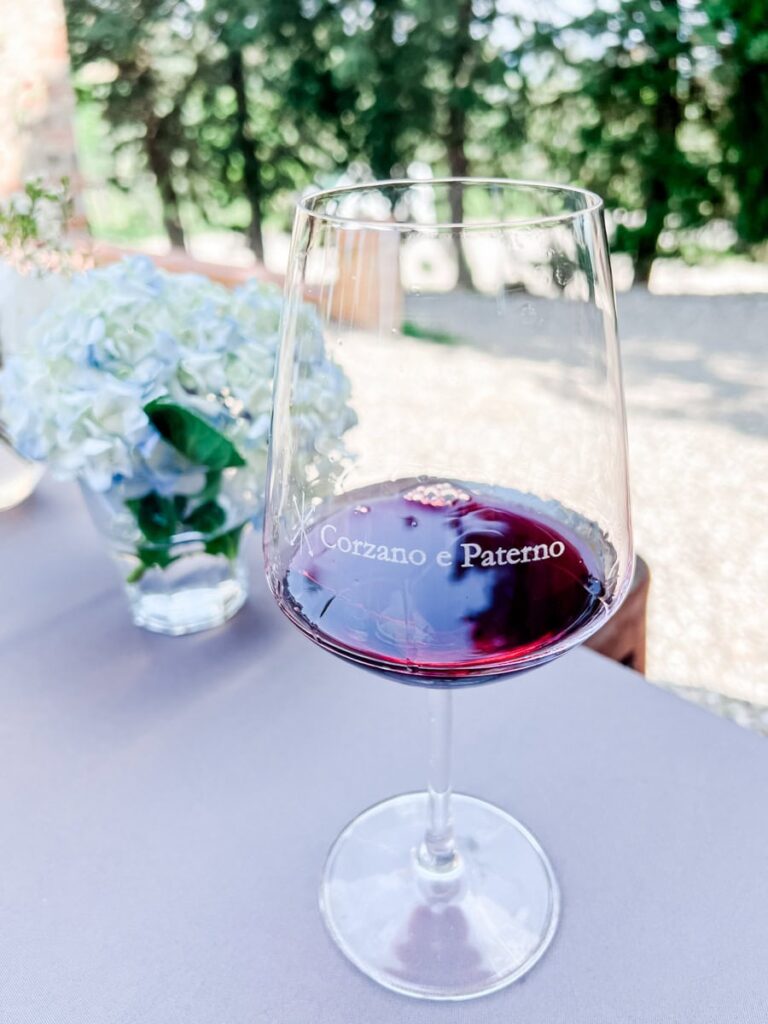
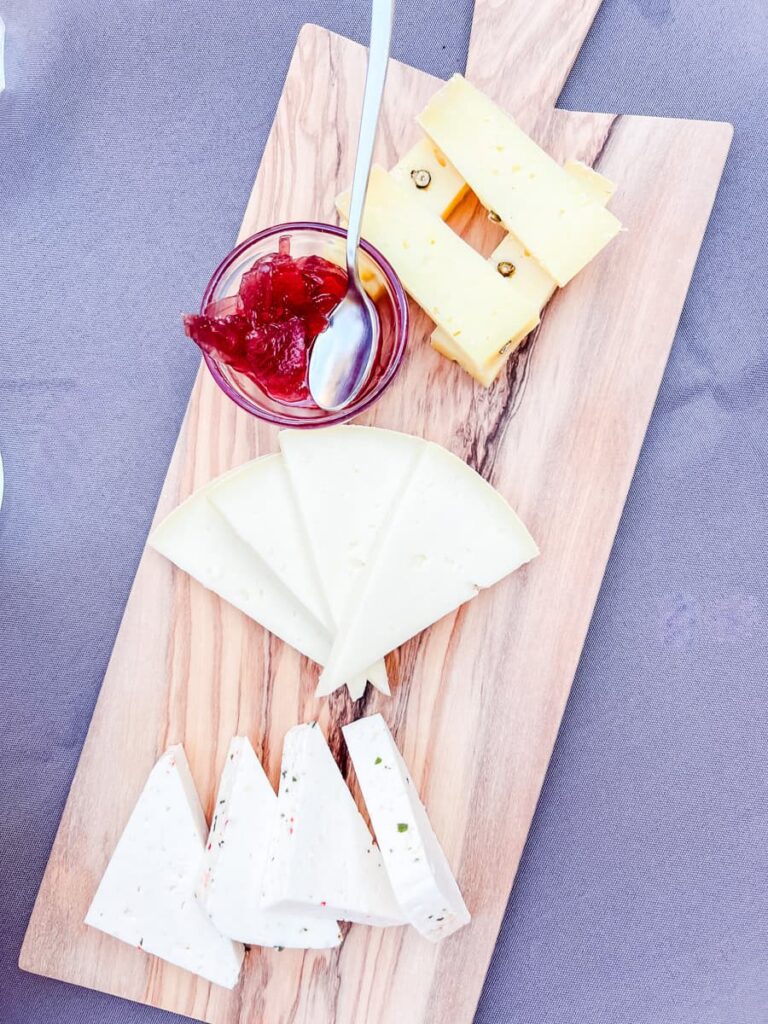
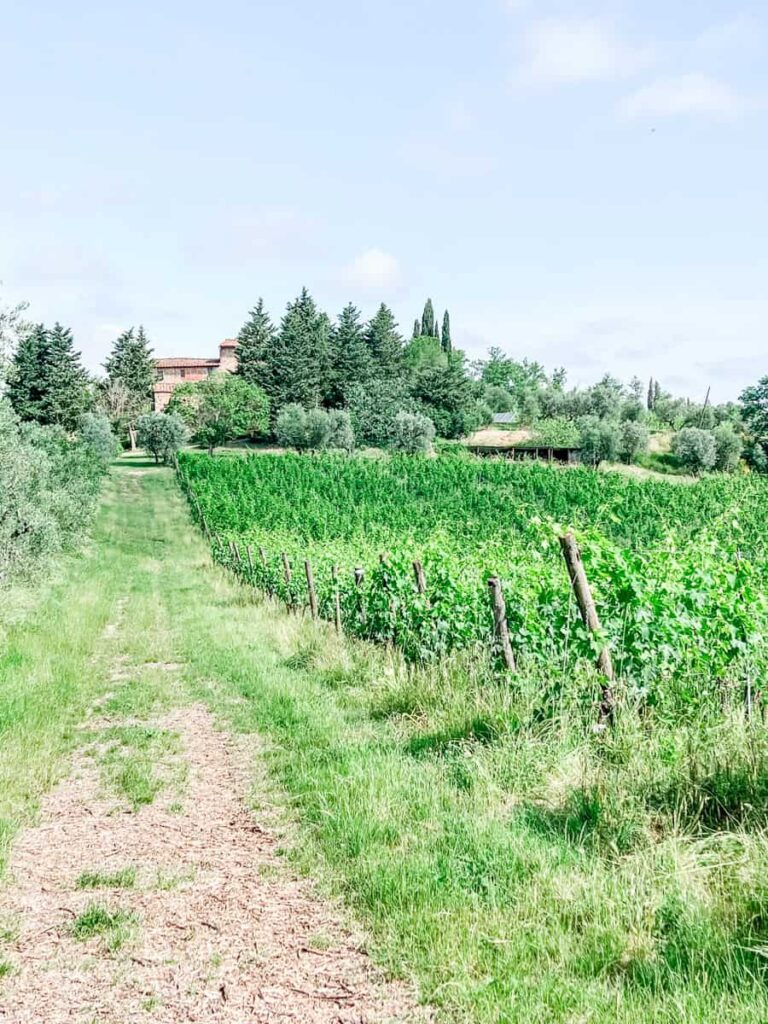
Corzano e Paterno, Via S Vito di Sopra, 50020 San Casciano in Val di Pesa FI, Italy
Il Barlettaio
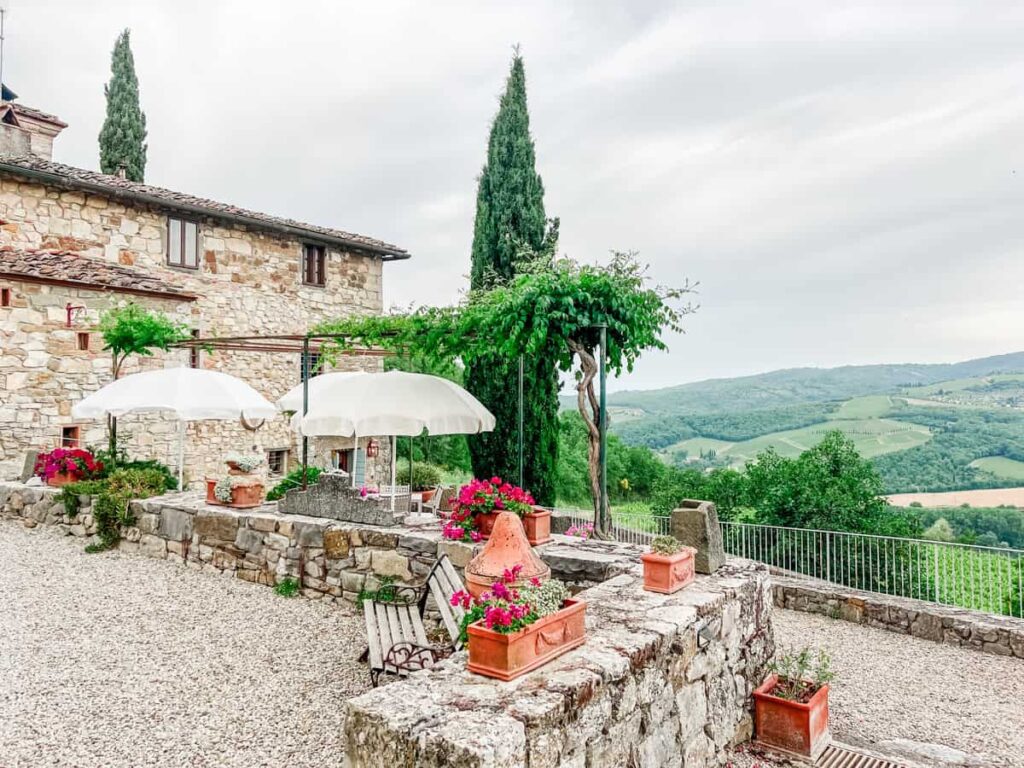
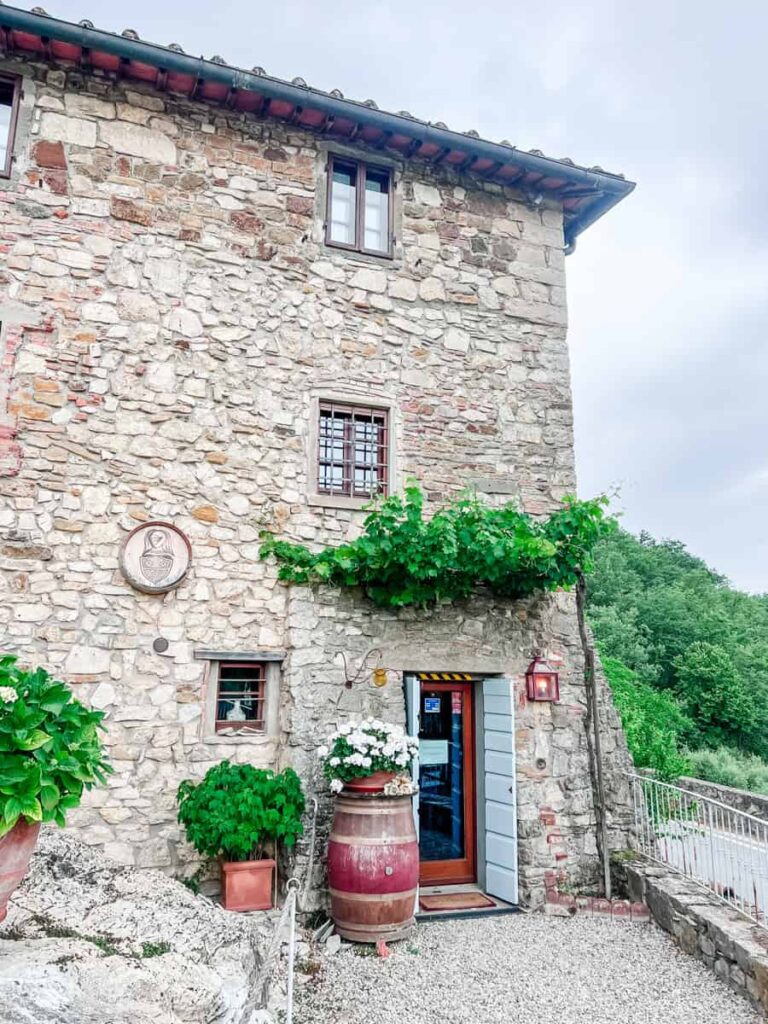
If you prefer small family wineries over larger tasting rooms, make time for a visit to Il Barlettaio. This hidden gem in Radda was one of the most personal winery experiences I had in Chianti. The wines were excellent, but what really stood out was how welcomed I felt from the moment I arrived.
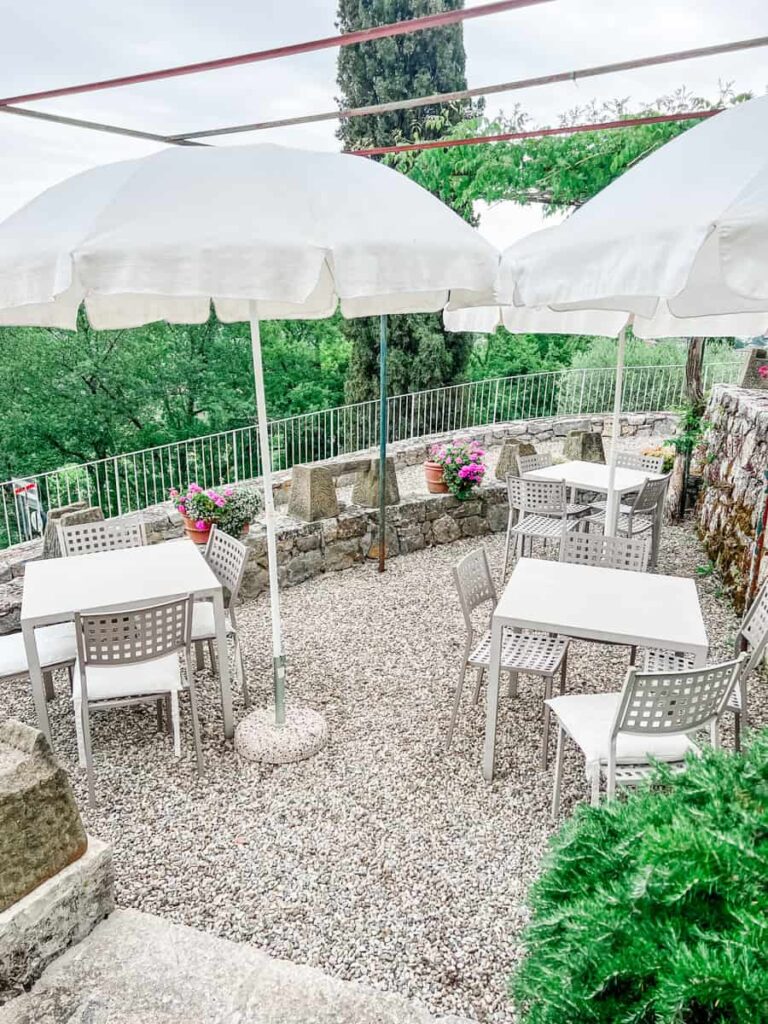
With just three hectares of vineyards, Il Barlettaio is a tiny producer run by Francesco Bertozzi and his wife, Paola. Pulling up to the property felt more like visiting someone’s home than a commercial winery, with beautiful views from the small terrace overlooking the surrounding countryside.
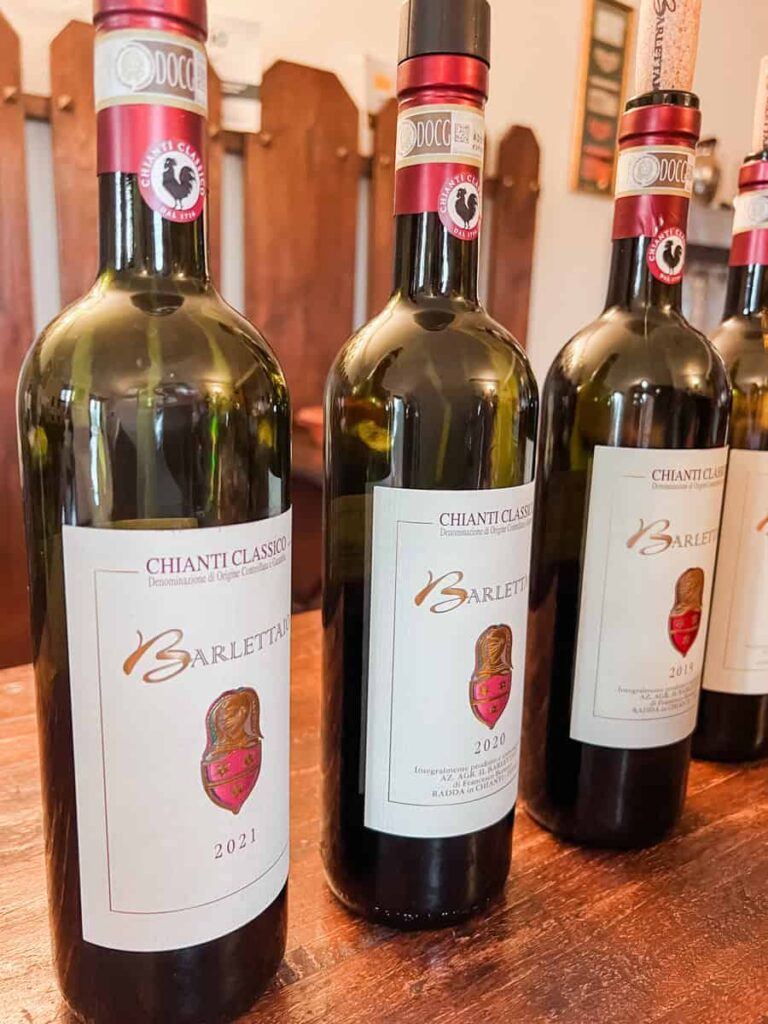
Paola greeted us warmly and led the tasting herself inside the shop. Although she spoke limited English, we had no trouble communicating and sharing our enthusiasm for the wines. I also had the chance to meet Francesco and learn more about the family’s winemaking traditions.
I loved the intimate feel of the experience, and the wines were just as impressive. From the excellent Chianti Classico Riserva to a standout Merlot produced in tiny quantities, I’d recommend this winery to anyone looking for a more personal side of Chianti.
Il Barlettaio, Via del Barlettaio, 86, 53017 Radda in Chianti SI, Italy
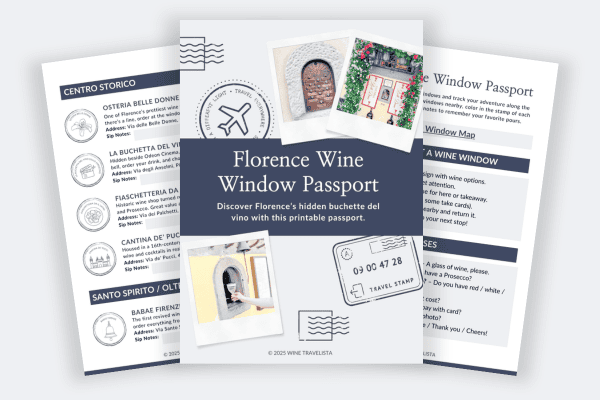
Visiting Florence’s wine windows?
👉 Grab the free Florence Wine Window Passport. This printable guide includes all the active windows by neighborhood, tips on how to order, and a fun way to track your sips.
Poggio al Sole
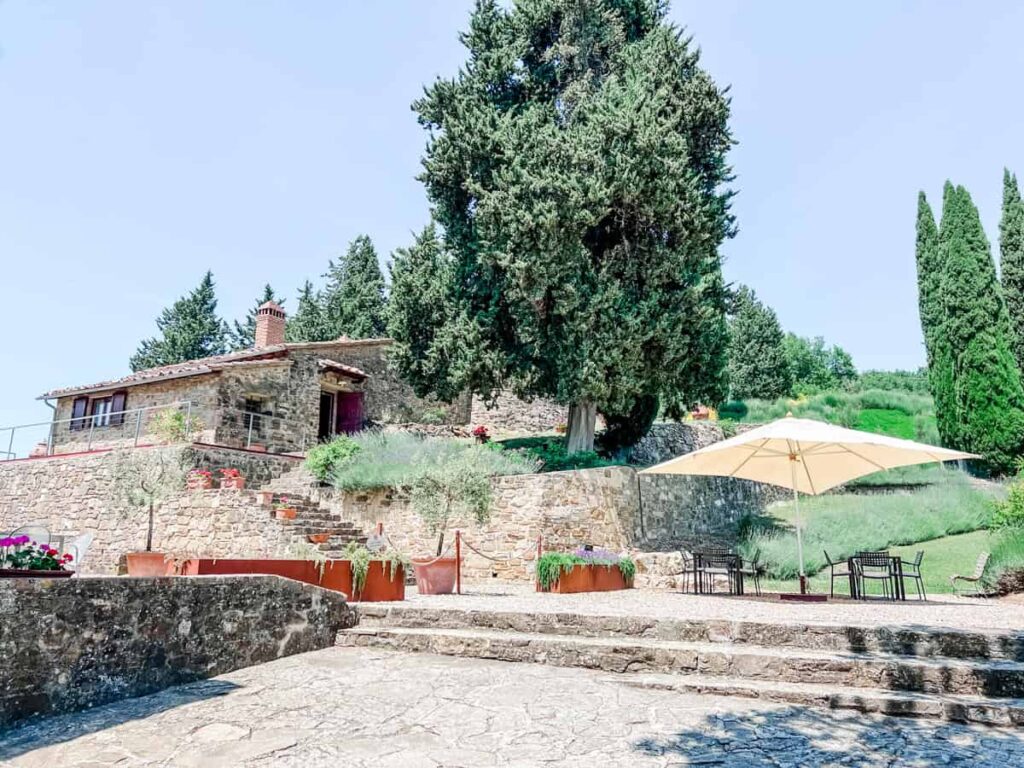
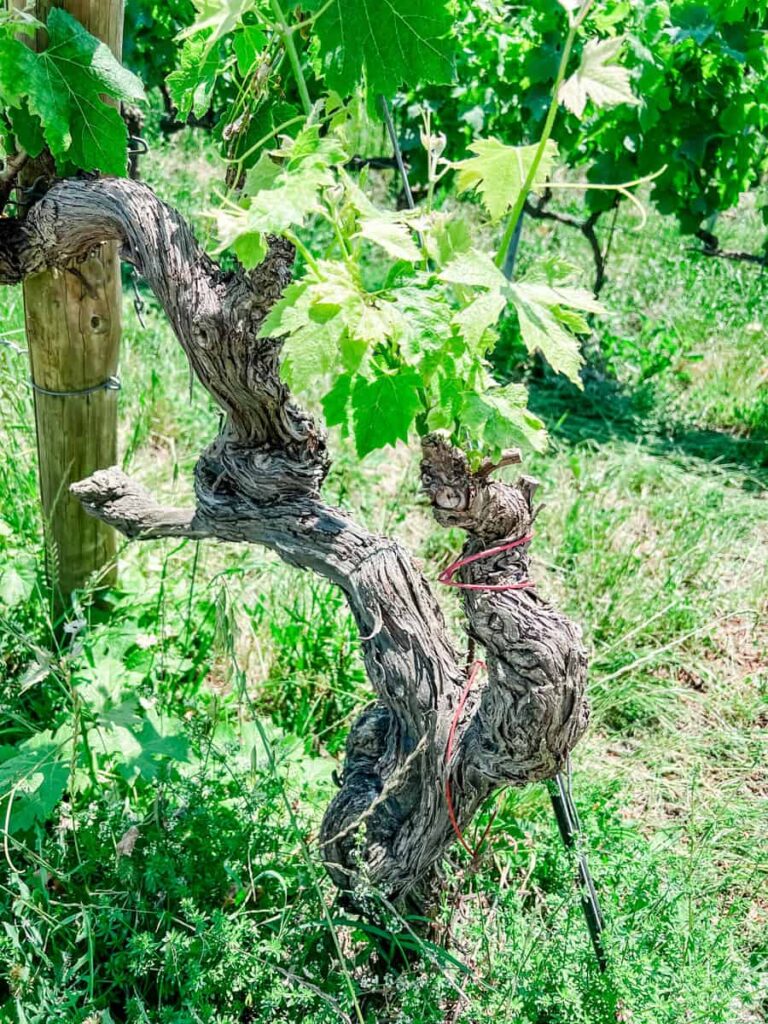
If you’re looking to try something a little different in Chianti Classico, put Poggio al Sole on your list. The winery pioneered white Sangiovese in the region, and tasting their Sangiovese Bianco was one of the most unique wine experiences I had during my trip.
This organic estate was founded by the Davaz family, who moved from Switzerland to Chianti in 1990. My visit began with a glass of Sangiovese Bianco before a tour of the winemaking facilities and barrel room.
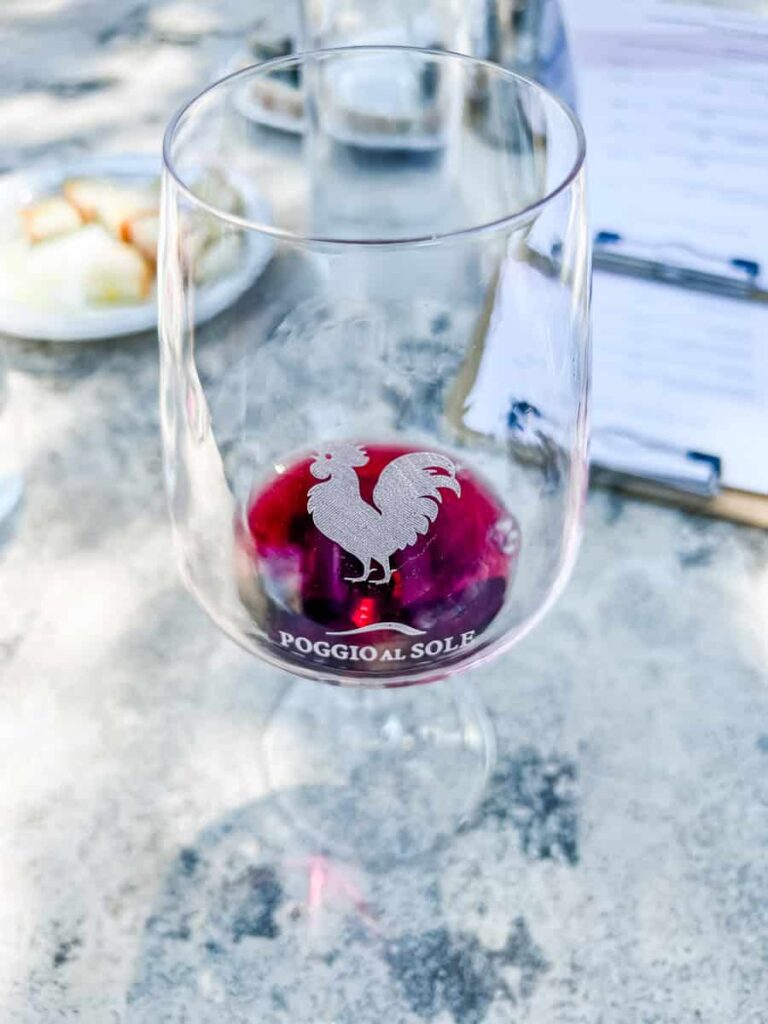
Made from 100% Sangiovese grapes that are pressed immediately after harvest, the Sangiovese Bianco offers a completely different expression of the variety than the region’s famous red wines. It was fresh, crisp, and unlike anything else I tasted during my time in Chianti.
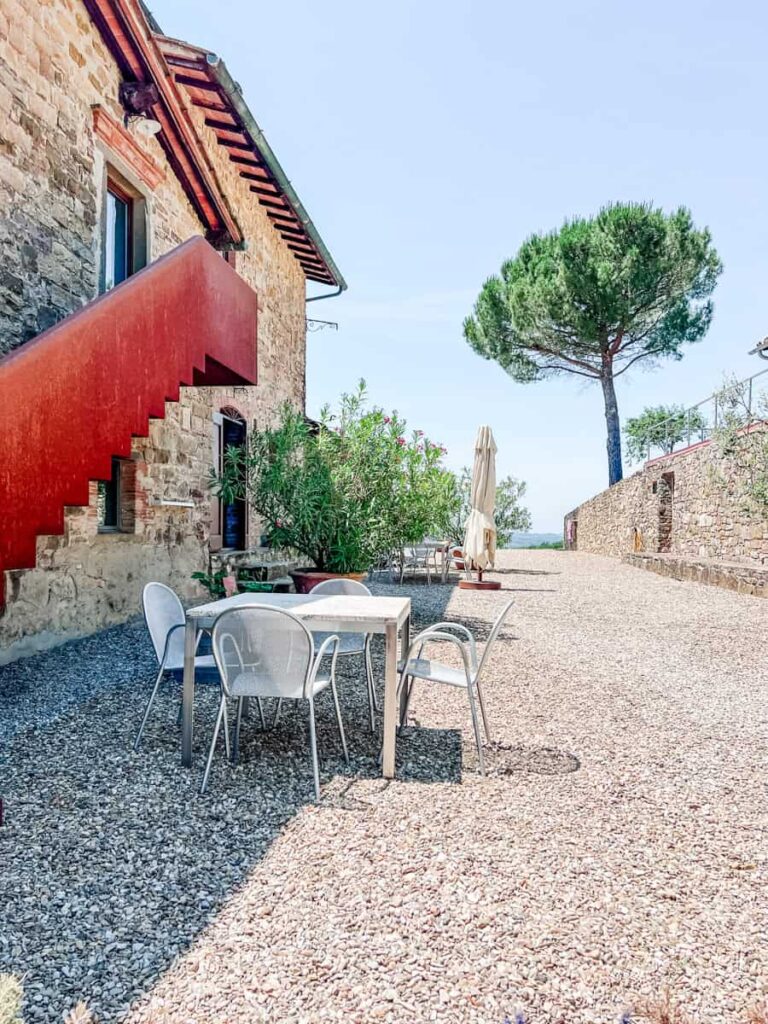
After the tour, we sat on the terrace overlooking the vineyards and the Badia a Passignano monastery. The tasting came with bread and the estate’s own olive oil. The white wine may be what first caught my attention, but I enjoyed the rest of the wines just as much.
Poggio al Sole, Str. Rignana, 2, 50028 Badia A Passignano FI, Italy
Fattoria di Montemaggio
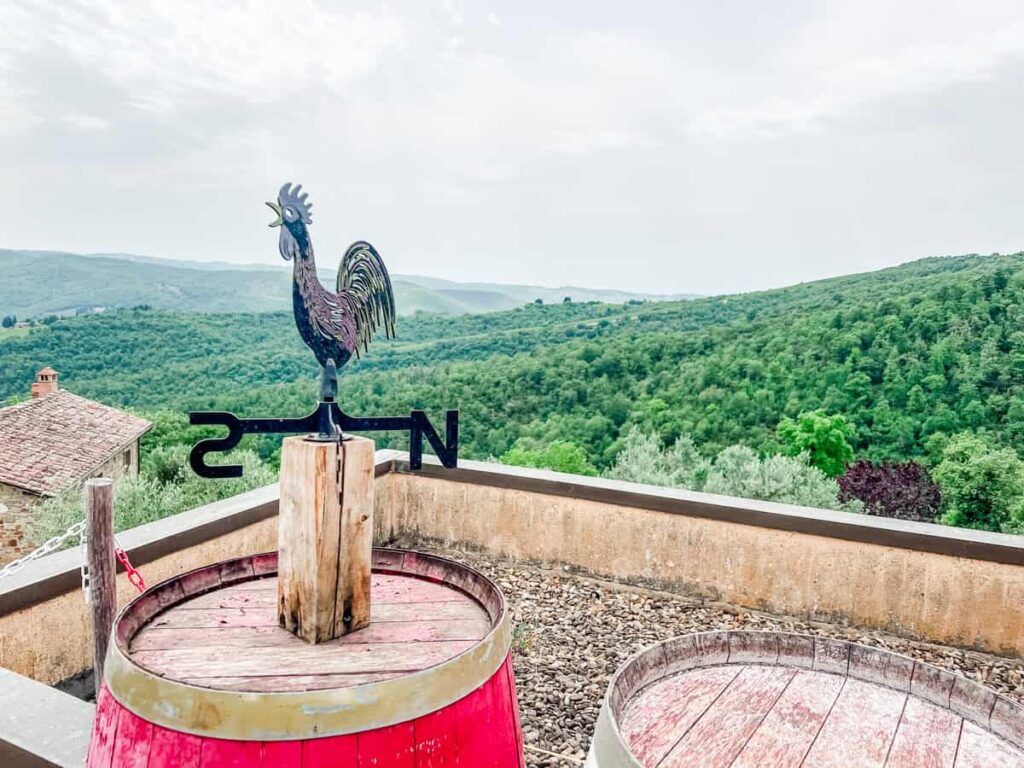
If you enjoy learning about wine as much as drinking it, Montemaggio is well worth a visit. The tour and tasting was one of the most detailed I went on in Chianti, making this a great choice if you want to learn more about the region’s wines and winemaking.
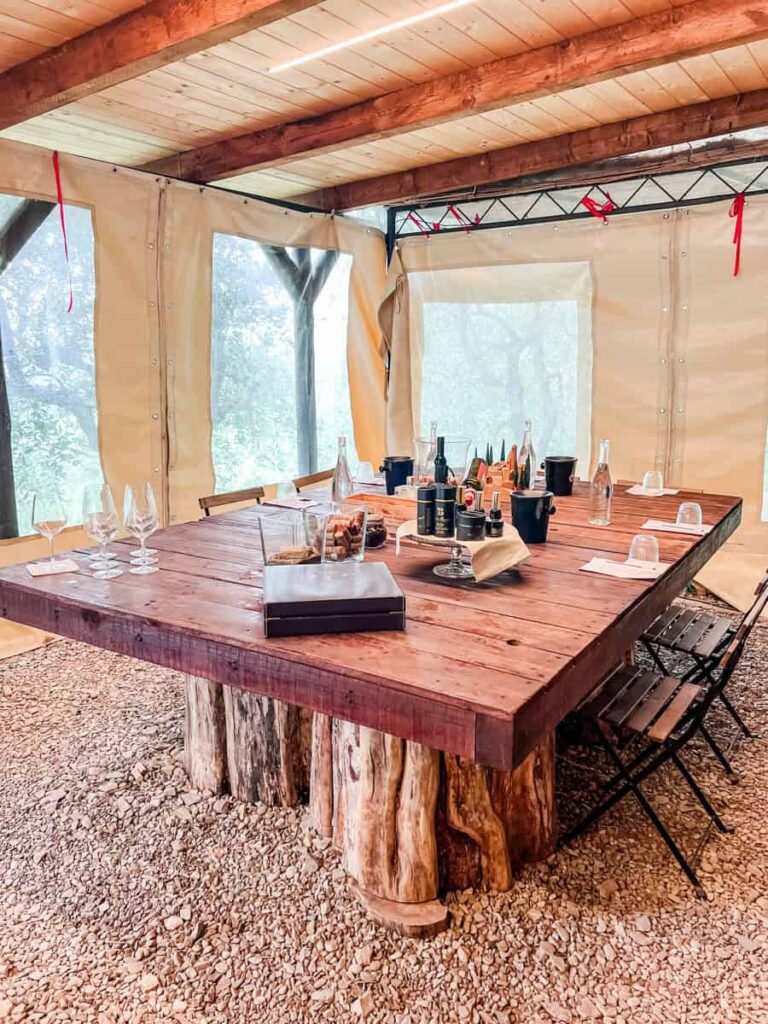
The organic winery sits at one of the highest points in Chianti Classico and is led by two women: owner Valeria Zavadnickova and winery director Ilaria Anichini. During our visit, we joined a small group tour that covered everything from the vineyards and cellar to the winery’s approach to growing and aging its wines.
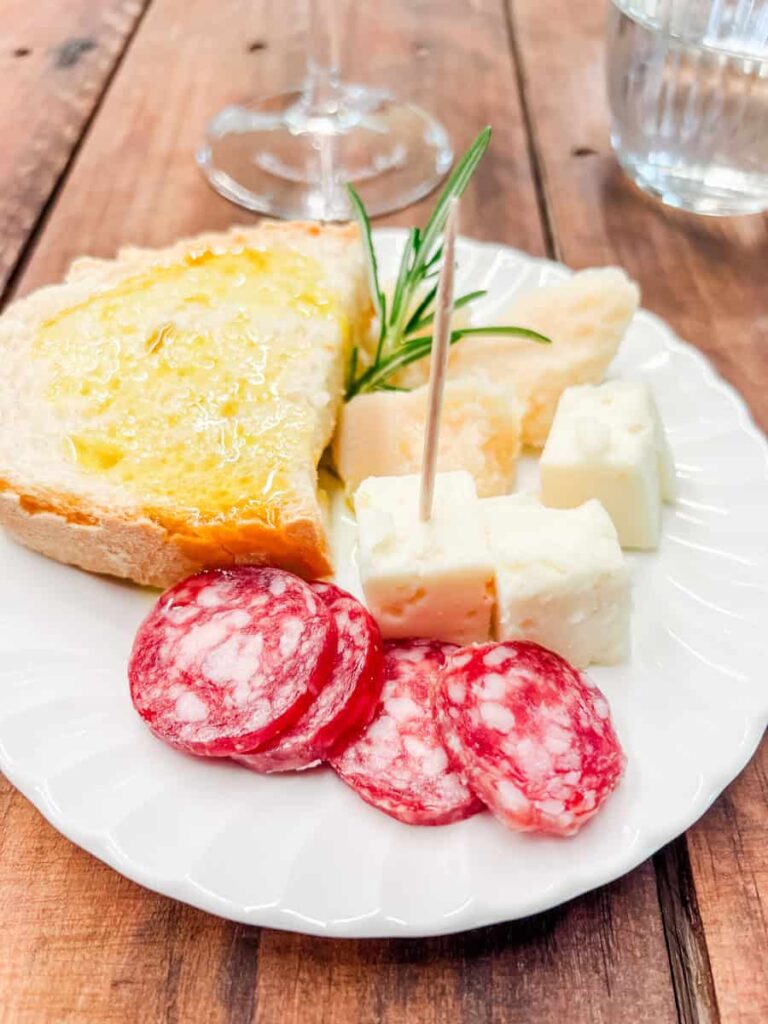
One of the highlights was climbing to the rooftop of one of the estate’s buildings for 360-degree views across Chianti Classico. After the tour, we sat down for a tasting with local meats, cheeses, bread, and olive oil while learning about each of the wines in detail.
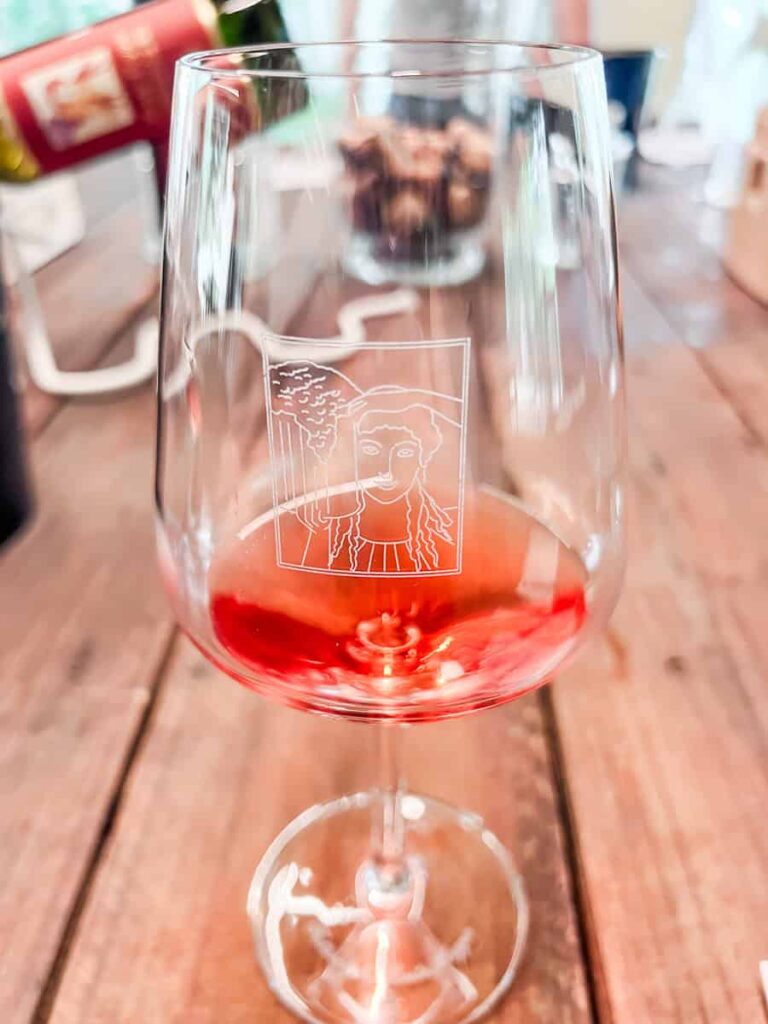
I especially enjoyed that there was more to try than just Chianti Classico. From Sangiovese rosé to Malvasia Nera and Merlot, the tasting included several wines that offered something a little different.
Montemaggio, 53017 Radda in Chianti SI, Italy
Castello Monterinaldi
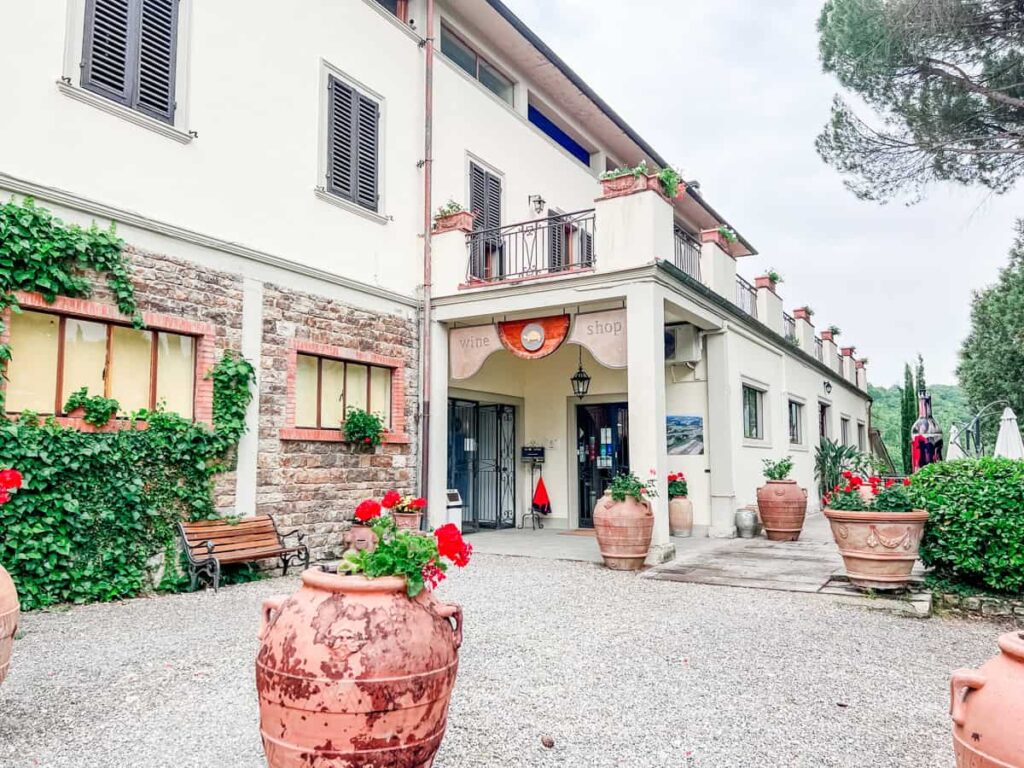
If you enjoy pairing wine with good food, Castello Monterinaldi should be on your radar. In addition to tastings and tours, they offer everything from cooking classes and lunches to harvest experiences and even the chance to be a winemaker for a day.
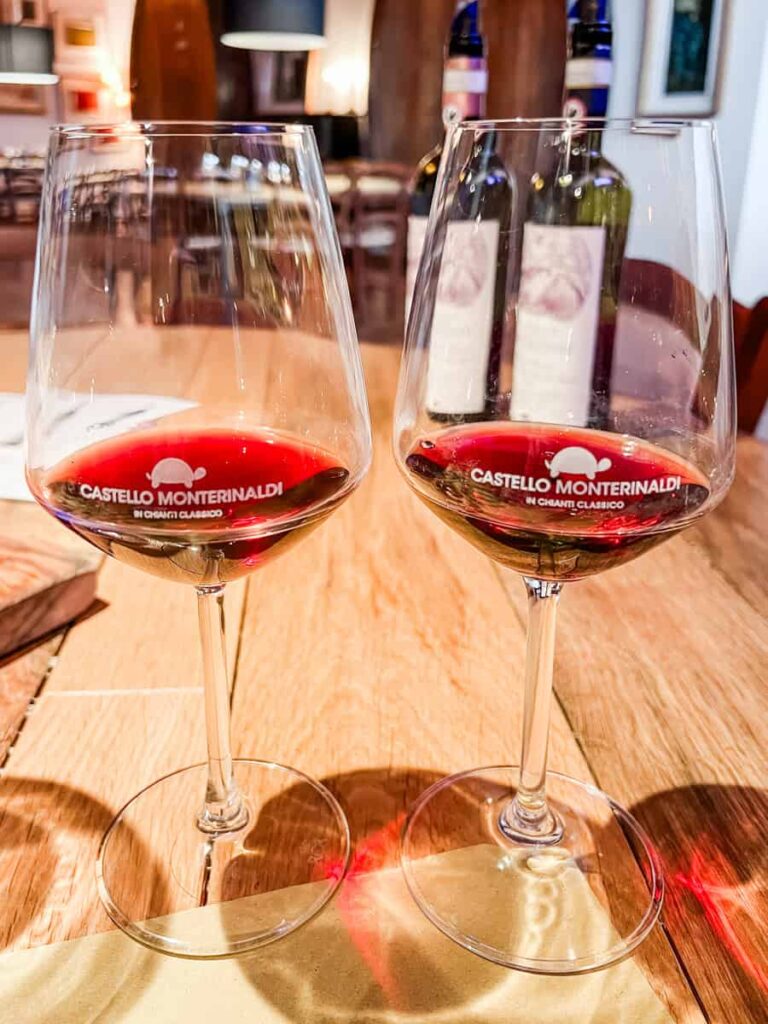
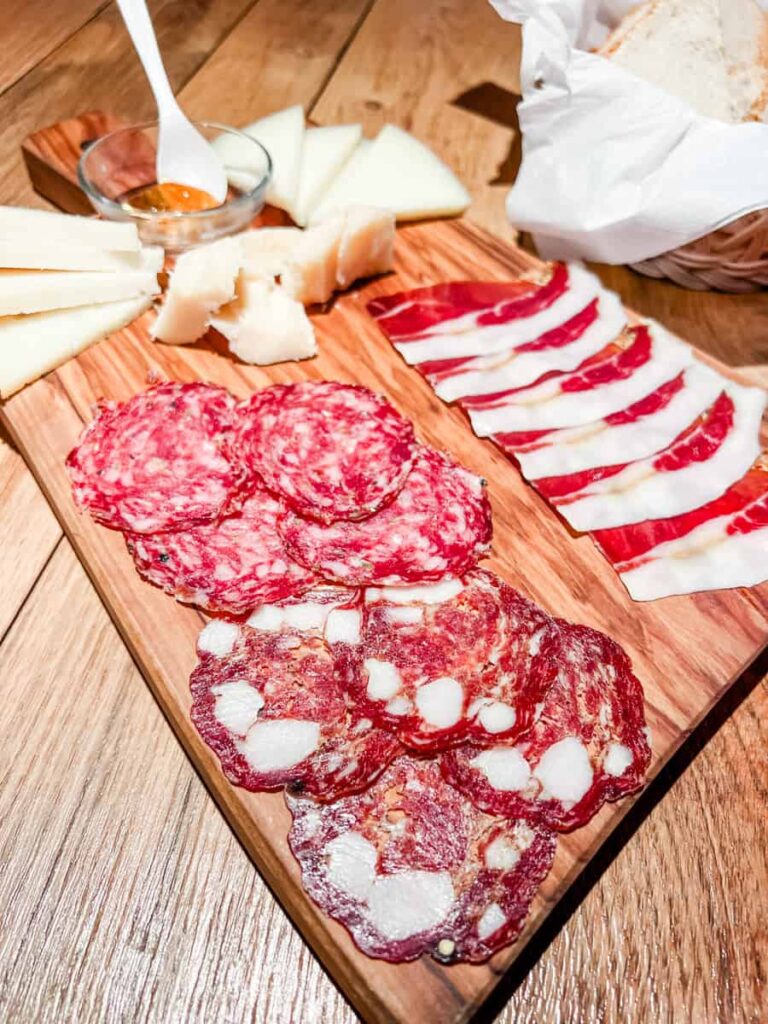
We enjoyed our tasting in the winery’s comfortable Wine Lounge with a charcuterie board of local meats, cheeses, bread, olive oil, and balsamic vinegar. The wine jelly was so good that I brought a jar home with me.
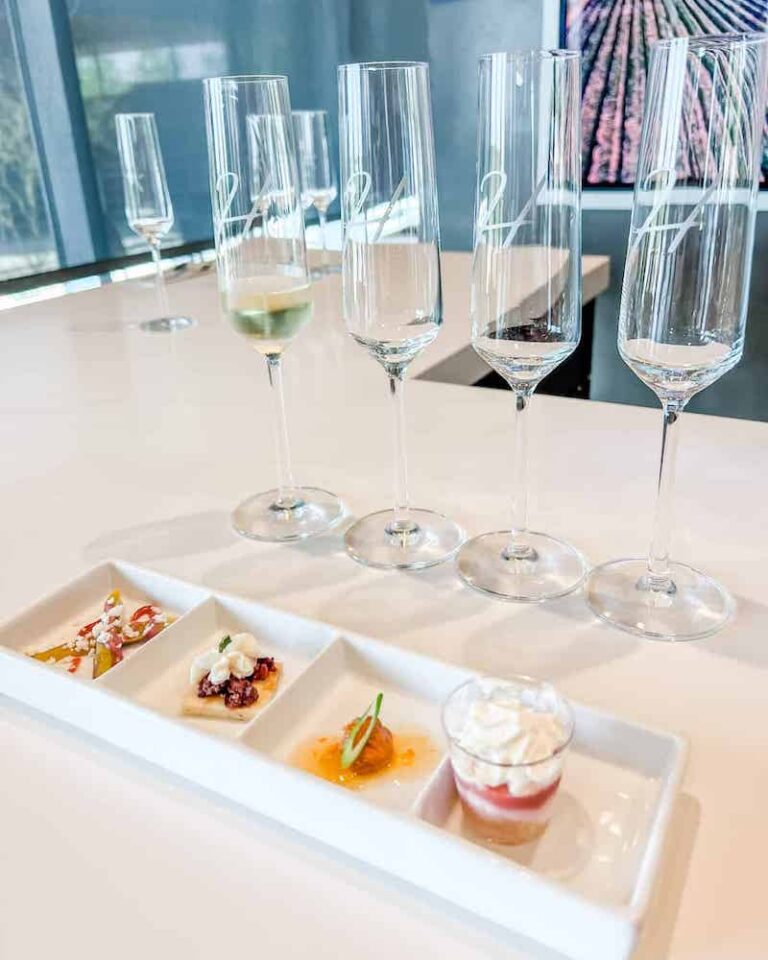
The staff did a great job explaining the wines, and I liked hearing the story behind the winery’s turtle logo, which represents balance, perseverance, and moving forward with patience. It was also the only winery I visited in Chianti that poured a sparkling wine.
The wines were very good, but I think the food and experience offerings are what really set Castello Monterinaldi apart. If you’re looking for more than a traditional tasting, this is a winery worth visiting.
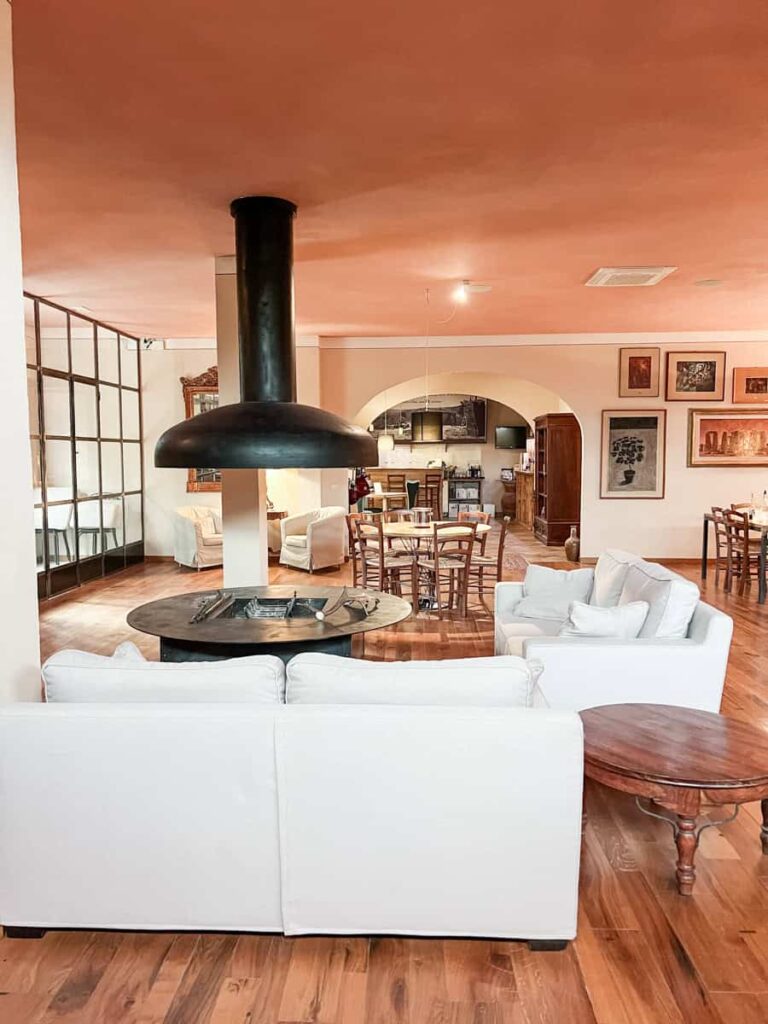
Castello Monterinaldi, Loc. Pesanella 75, Lucarelli, 53017 Radda in Chianti (SI), Italy
Ricasoli 1141
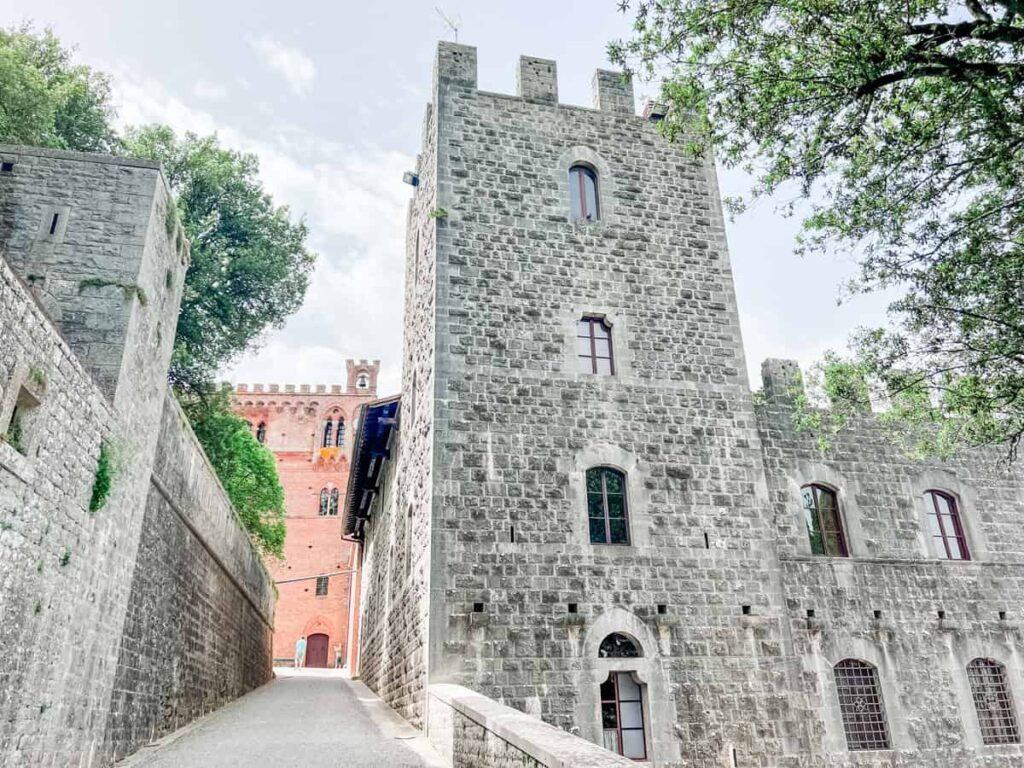
For history buffs, Ricasoli is one winery you shouldn’t miss. The estate has been owned by the Ricasoli family since 1141. And Baron Bettino Ricasoli is credited with creating the original formula for what would become Chianti Classico.
What I liked most was that you can visit on your own terms. You can simply explore the castle grounds and stop into the tasting room, or book a more in-depth castle tour, winery tour, or seated tasting experience. It’s a great option whether you have an hour to spare or want to spend most of the day there.
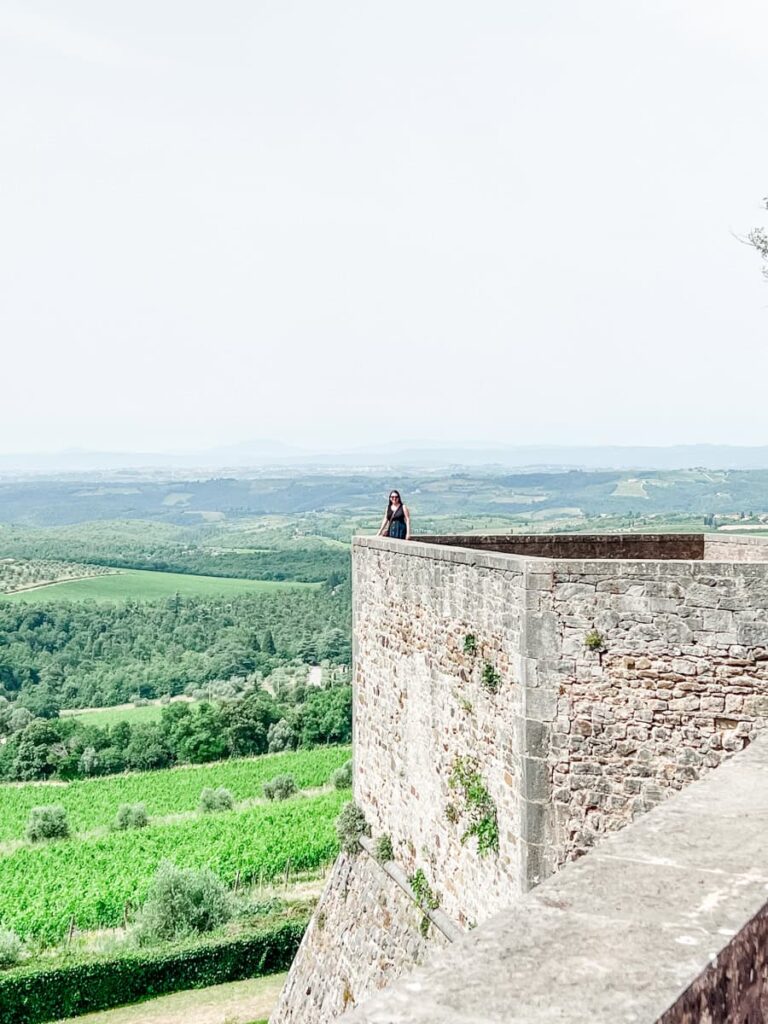
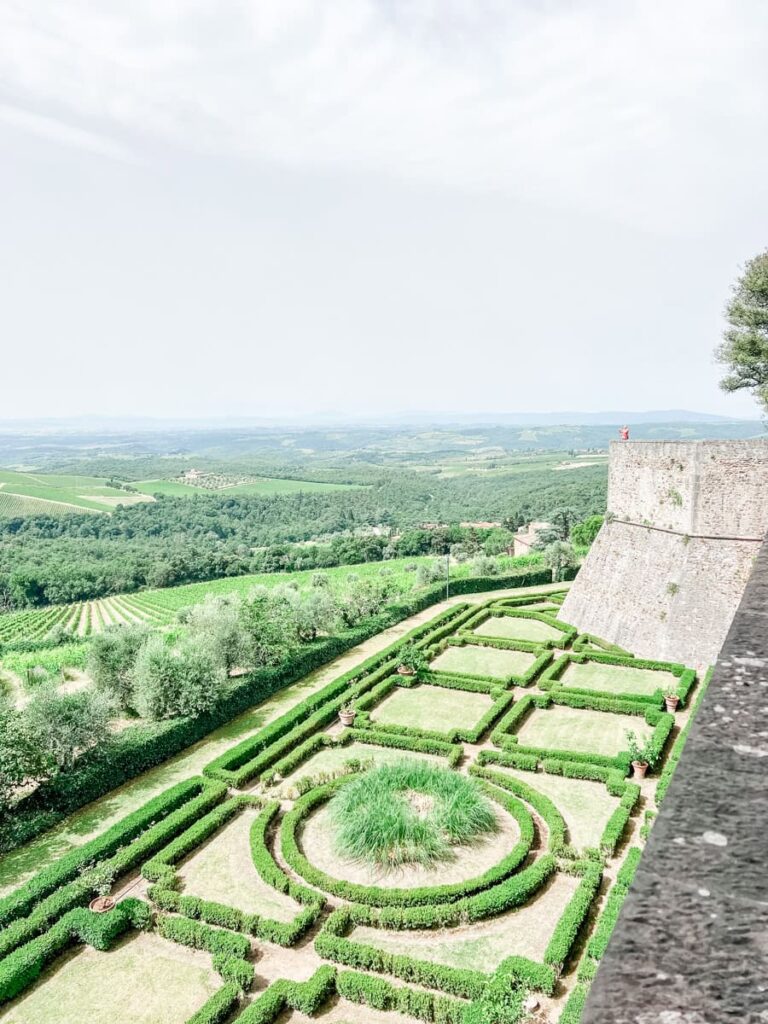
The castle grounds are worth exploring even if you don’t book a tour. We walked the outer walls, taking in the views over the vineyards and gardens, and visited the small chapel tucked inside the grounds. I found some of my favorite photo spots along the castle walls.
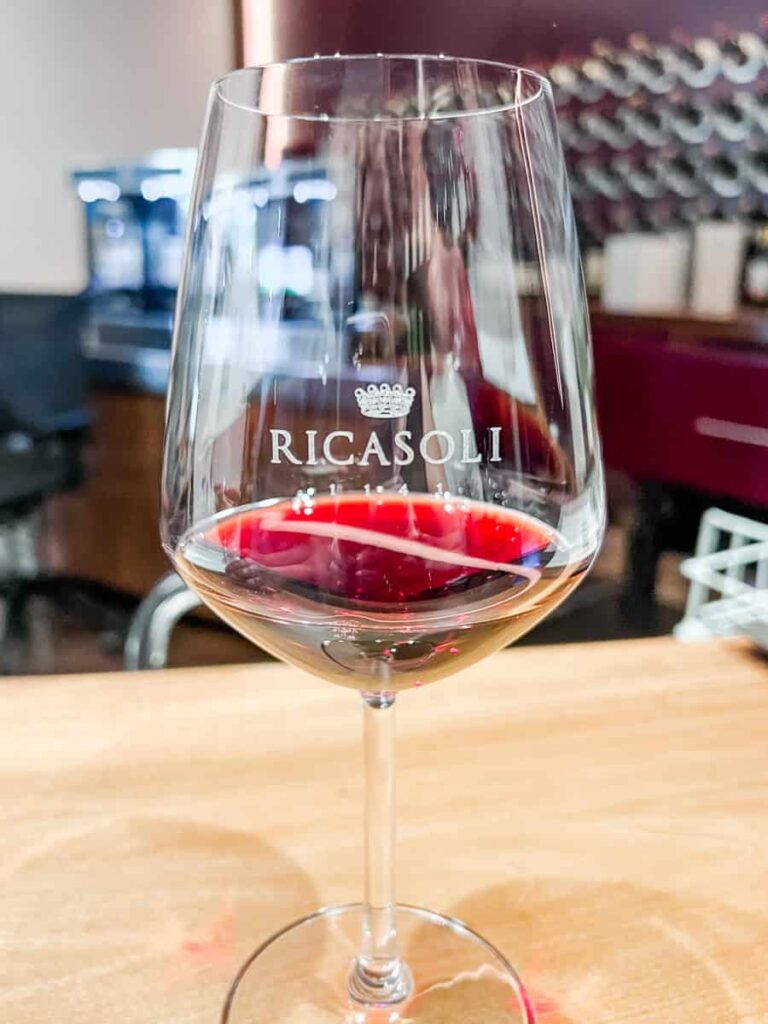
After exploring the castle grounds, we headed down to the winery for a tasting. At the shop, you can sample some of the estate’s wines without needing to book one of the more extensive experiences in advance. I liked being able to combine a self-guided visit to the castle with a more casual tasting.
Ricasoli 1141, Località Madonna a Brolio, 53013 Gaiole In Chianti (Siena), Italy
The Best Chianti Wine Tours
If you’re staying in Florence and looking to visit Chianti wineries, I recommend booking a tour with Grape Tours. They specialize in small-group tours, and the one I joined was led by a sommelier. The wineries we visited were some of my favorites in Chianti.
Tours depart from Formaggioteca Terroir, the company’s cheese shop and wine bar, which is worth a visit even if you don’t book a tour. We stopped in for lunch on another day during our time in Florence and had a delicious meal of crostinis, croque messieur, and preserved fruits.
Here’s one of their tours I’d recommend:
- Chianti Tour & Dario Cecchini Lunch – Visits to two organic wineries and lunch at Dario Cecchini’s restaurant and butcher shop, plus round-trip transportation from Florence.
🚌 Book the Chianti Tour & Dario Cecchini Lunch
Recommendations may be affiliate links on which I earn a small commission at no additional cost to you. This helps me share new wine destinations with you and I only recommend products and services that I love and think you’ll love too!
Where to Stay For Chianti Wine Tasting
One of the biggest decisions you’ll make is whether to stay in Florence or in Chianti itself. Florence gives you more hotel, restaurant, and transportation options, making it a great base if you’re also planning to explore the city. But if your main goal is wine tasting, waking up surrounded by vineyards is pretty hard to beat.
Here are the places I’d recommend:
- Hotel Spadai – My top pick in Florence. The location near the Duomo makes it easy to explore the city’s main sights and wine windows.
- Hotel Ariele – A great value option in a quieter neighborhood of Florence, but still within walking distance of the historic center.
- Hotel Villa Campomaggio Resort & Spa – If you want that classic Tuscany experience, this is the one I’d choose. Located in Chianti between Radda and Panzano, it has a pool, spa, and an excellent location for exploring Chianti wineries.
Many wineries also offer on-site accommodations, called agriturismos, if you’d like to stay right at the vineyard.
🏨 Book the Hotel Spadai
🏨 Book the Hotel Ariele
🏨 Book the Hotel Villa Campomaggio Resort & Spa
FAQs About Wine Tasting in Chianti
I visited in June, which was beautiful, but summer tourism was starting to pick up and it was already getting pretty warm. To avoid the heat and crowds, I recommend visiting in late spring or early fall.
If you like wine festivals, there are two that take place in the region every September:
Expo del Chianti Classico – The region’s largest wine festival, held in Greve in Chianti. Dozens of wineries gather in the main square for tastings, food vendors, and special events.
Vino al Vino – A smaller wine festival in Panzano where local producers pour their wines in the village square.
The closest airport is Florence (FLR), about 30-60 minutes from most of Chianti depending on where you’re staying. Renting a car is the easiest way to explore the region since wineries are spread across the countryside and many aren’t accessible by public transportation.
If you’re staying in Florence, many of the wine tours leave from here. So, it’s a great option if you don’t want to worry about driving.
Chianti is best known for Chianti Classico, a red wine made primarily from Sangiovese. While many people use “Chianti” and “Chianti Classico” interchangeably, they’re not the same thing. Chianti Classico comes from the historic heart of the region between Florence and Siena and is identified by the black rooster (Gallo Nero) seal on the bottle.
Chianti Classico must contain at least 80% Sangiovese, and can be blended with other approved grapes such as Canaiolo, Colorino, Merlot, or Cabernet Sauvignon. You’ll find flavors of cherry, plum, dried herbs, violets, and earthy notes, along with bright acidity that makes these wines especially food-friendly.
You’ll also find:
Chianti Classico Riserva – aged longer before release
Chianti Classico Gran Selezione – made from a winery’s best estate-grown grapes
Super Tuscans – Sangiovese blended with international varieties like Cabernet Sauvignon and Merlot
Vin Santo – a traditional Tuscan dessert wine made from dried grapes
Many Chianti wineries are open year-round, but hours can change a lot by season. Some have shorter winter hours or close certain days of the week, especially outside the main travel season.
A few wineries allow walk-ins, especially for quick tastings or shop visits, but many require reservations for tours, seated tastings, and food pairings.
One thing to know: not every winery has easy online booking. You’ll often need to email or call to check availability and reserve.
Check out more winery etiquette tips.
Most Chianti tastings cost between €10 and €50 per person. Basic tastings average around €20, while tours, food pairings, and lunches run around €30 to €50. I generally found Chianti offered better value than nearby regions like Montalcino and Montepulciano.
See how this compares to wine tasting costs in other regions.
Tipping isn’t expected in Italy. But it’s definitely appreciated, especially if you had a great experience. Leaving a few euros is a nice way to say thanks.
Yes! Most wineries sell bottles directly from the tasting room, and many offer international shipping. Costs vary by quantity but usually run €70–€100.
If you’re picking up bottles from multiple places and want to ship them together, Mail Boxes Etc. in Florence can handle that for you.
Just keep in mind that summer in Italy is usually too hot to safely ship wine. We asked the wineries to hold our order until the fall, when the temps were cooler and it was safer to send.
Check out More International Wine Destinations
- All the Active Florence Wine Windows with Map
- 7 Top Spots for Wine Tasting in Montepulciano’s Historic Center
- Wine Tasting Near Dubrovnik: A Guide to Croatia’s Pelješac Peninsula Wineries
- Korčula Wineries: Croatia’s Underrated Island for White Wine Lovers
- Hvar Wineries: Where to Taste Wine on Croatia’s Sunniest Island
- The Best Porto Port Houses for Tasting & Tours
- How to Visit Cava Wineries Near Barcelona, Spain
- The Best Santorini Wineries
- 3 Best Heraklion Wineries & Vineyards in Crete, Greece