Hvar Wineries: Where to Taste Wine on Croatia’s Sunniest Island

Hvar might be best known for beaches, boating, and blooming lavender, but Hvar wineries are a big part of what makes this Croatian island worth exploring. Think tiny villages, family-run cellars, and tastings that feel like you’re sitting in someone’s backyard (because sometimes…you are).
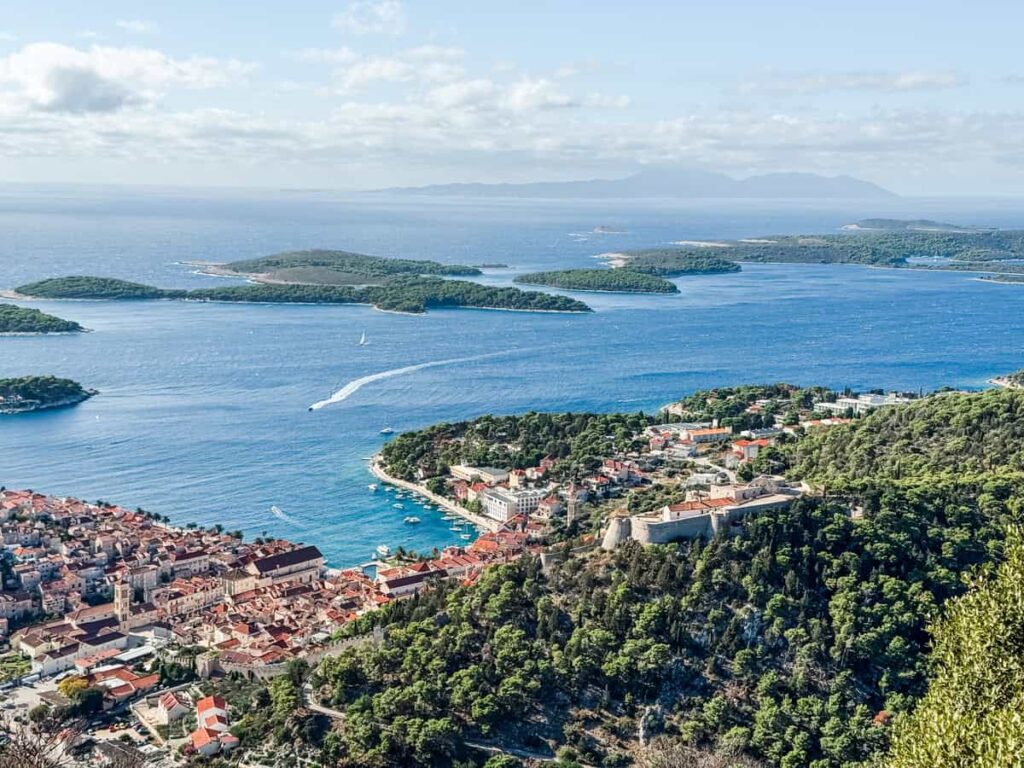
Hvar sits in the Adriatic Sea off Croatia’s Dalmatian coast and is known as the sunniest island in Europe. That sunshine is a big reason grapes thrive on the island, especially Plavac Mali, the red variety Hvar is most known for.
As a certified wine expert, I spent the better part of a week exploring Hvar. I tasted the wines, ate my way through Hvar Town, and road-tripped across the island to visit wineries in both the seaside towns and the quieter inland villages.
In this guide, I’m sharing my favorite wineries to visit on Hvar. Plus, inside tips on wine tours, what to eat, and where to stay that’ll make planning your trip way easier.
Thanks to the Hvar Town Tourist Board for hosting me. All recommendations and opinions in this guide are entirely my own.
Where to Go Wine Tasting on Hvar
Most Hvar wineries are small, family-run spots, and many visits are by appointment only. A lot of them don’t have online booking (and some don’t even have a real website), so it’s best to email ahead of time to schedule a tasting.
The wineries are also spread across the island. So, plan on driving or booking a tour, and don’t try to cram too much into one day.
Duboković Wines
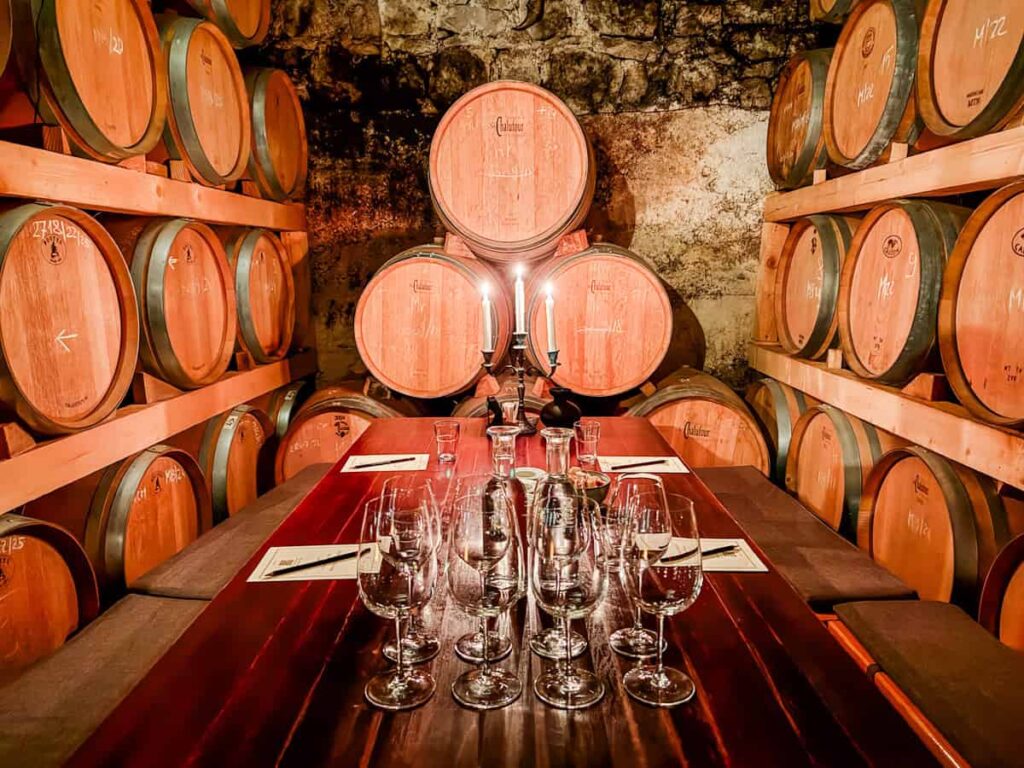
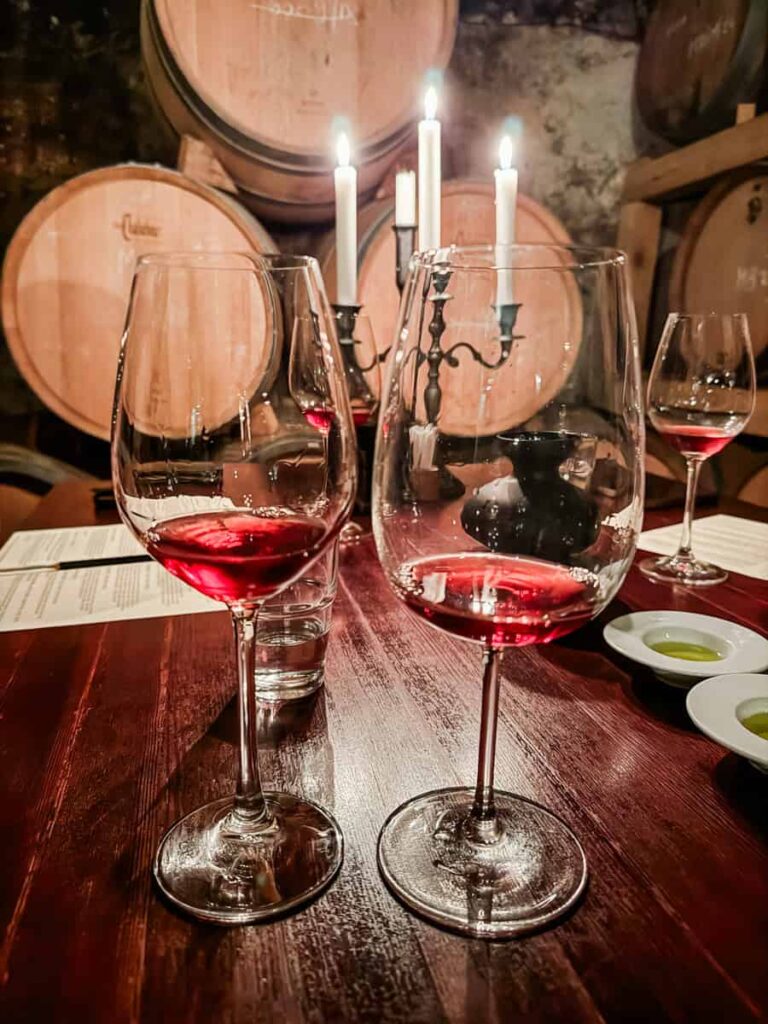
Duboković Wines offers one of the most unique tasting experiences on the island. It’s in the coastal town of Jelsa, and the tasting takes place right in the cellar. You walk in and sit at a small table surrounded by barrels, and the whole experience is done by candlelight.
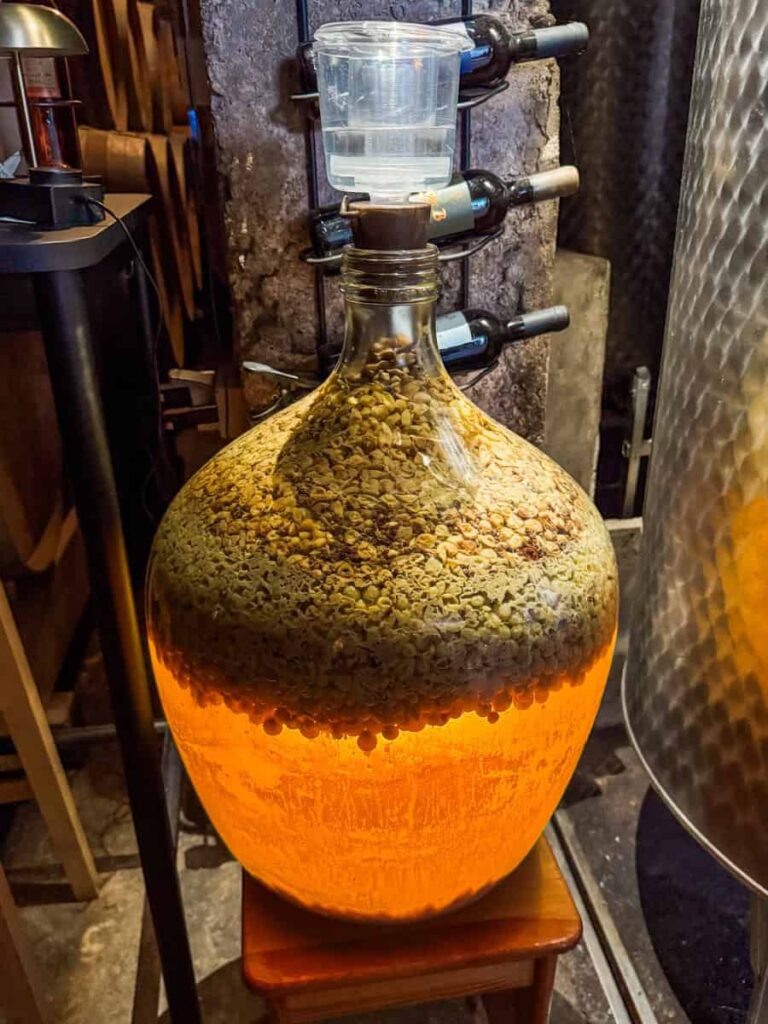
Ivo Duboković comes from a long family tradition of winemaking, but he didn’t start his career here. He studied economics and worked as a marketing professor in Zagreb before devoting himself fully to the cellar. He focuses on natural processes and organic products and is known for pioneering orange wine on the island.
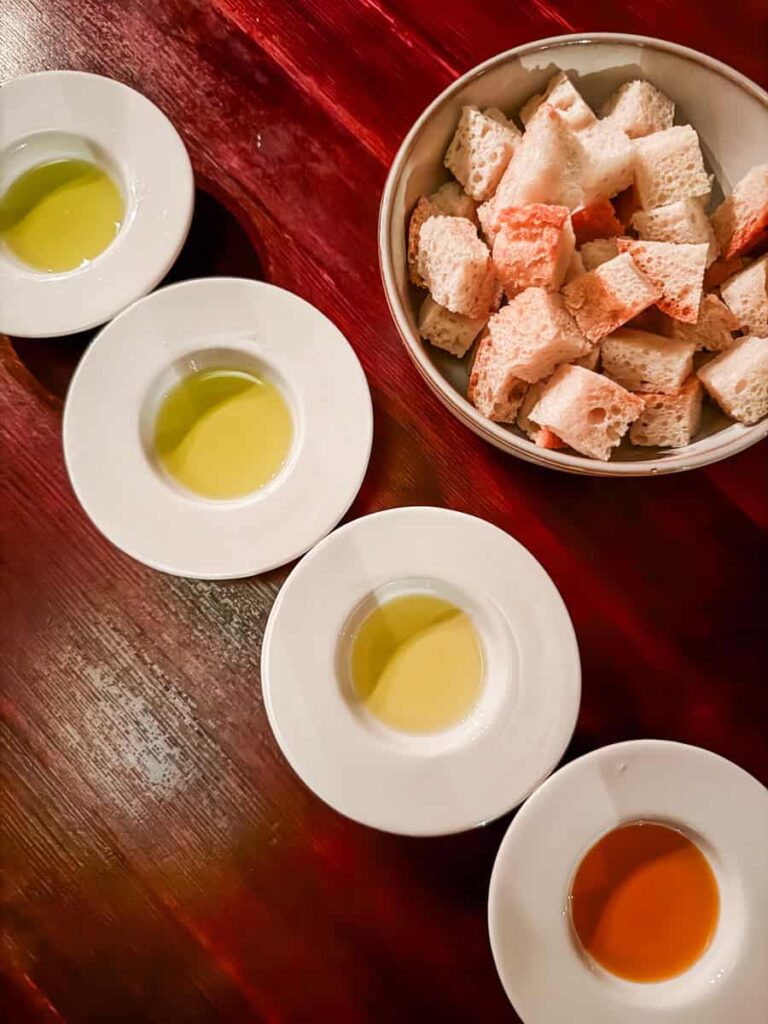
Their vineyards are on the steep southern slopes of Hvar where the grapes get both direct sun and reflected heat from the sea. The extra exposure creates grapes with high sugar levels, which lead to rich wines with concentrated flavor. The winery produces about a dozen labels, and they also make infused olive oils like rosemary, basil, and chili.
The tasting was one of my favorites on the island. Sitting by candlelight in the cellar while sampling several wines and four different olive oils felt intimate and memorable. It’s a great pick if you’re looking for something a little different.
Duboković Wines, Jelsa 301, 21465, Jelsa
Vina Carić
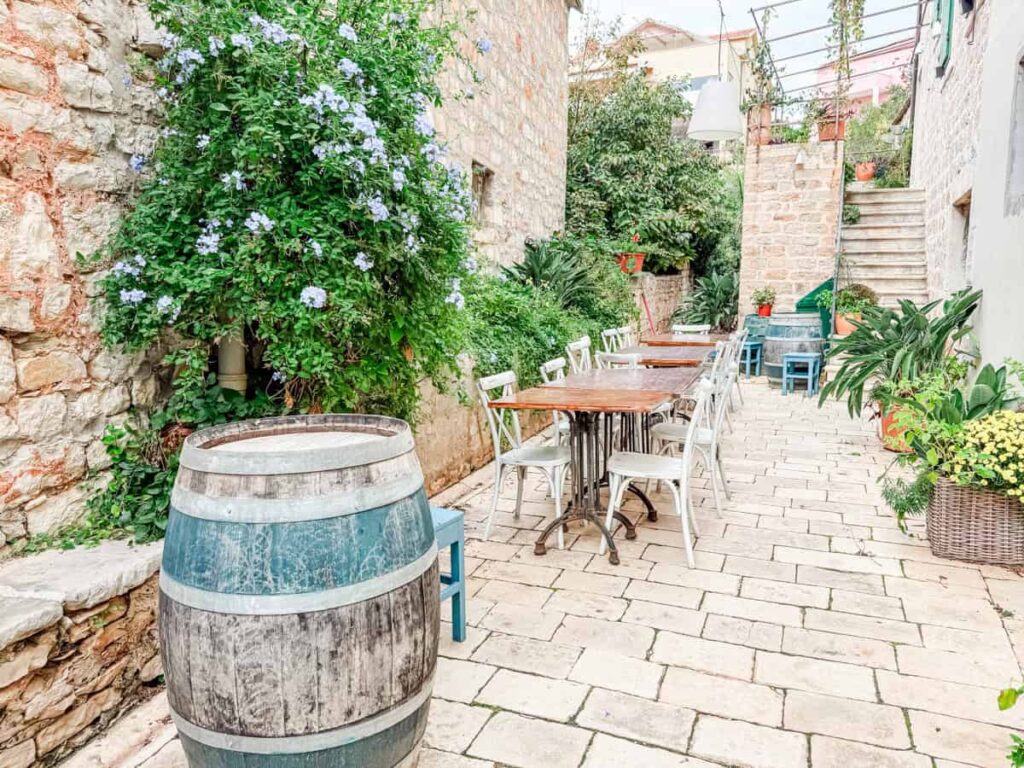
If you want great wines in a town that’s fun to explore, Vina Carić is the perfect stop. It’s in Vrboska, known as “the Venice of Hvar,” with canals and little bridges you can wander along before or after your tasting. The entrance feels like a secret garden, with a door that opens into an enclosed patio adorned with greenery.
Ivo Carić founded the winery in 1993, and his wife Ivana now manages marketing and sales. She also serves as president of the Hvar Winemakers’ Association. Their nephew Ljubo helps with winemaking, while Ivo focuses on the vineyards. They grow a wide mix of indigenous grapes like Plavac Mali, Bogdanuša, Kuč, Maraština, Darnekuša, and Pošip, along with a few international varieties.
When I visited, Ivana greeted me in the tasting room and had set up a full spread of local meats, cheeses, olives, and other small bites. As she poured each wine, she filled me in on the grape varieties, vineyard locations, and winemaking techniques.
The wines were excellent across the board, and I loved how the pairings enhanced the flavors. Ivana also shared that they’re building a new winery on the edge of town that will eventually include a kitchen, so the food element will only get better.
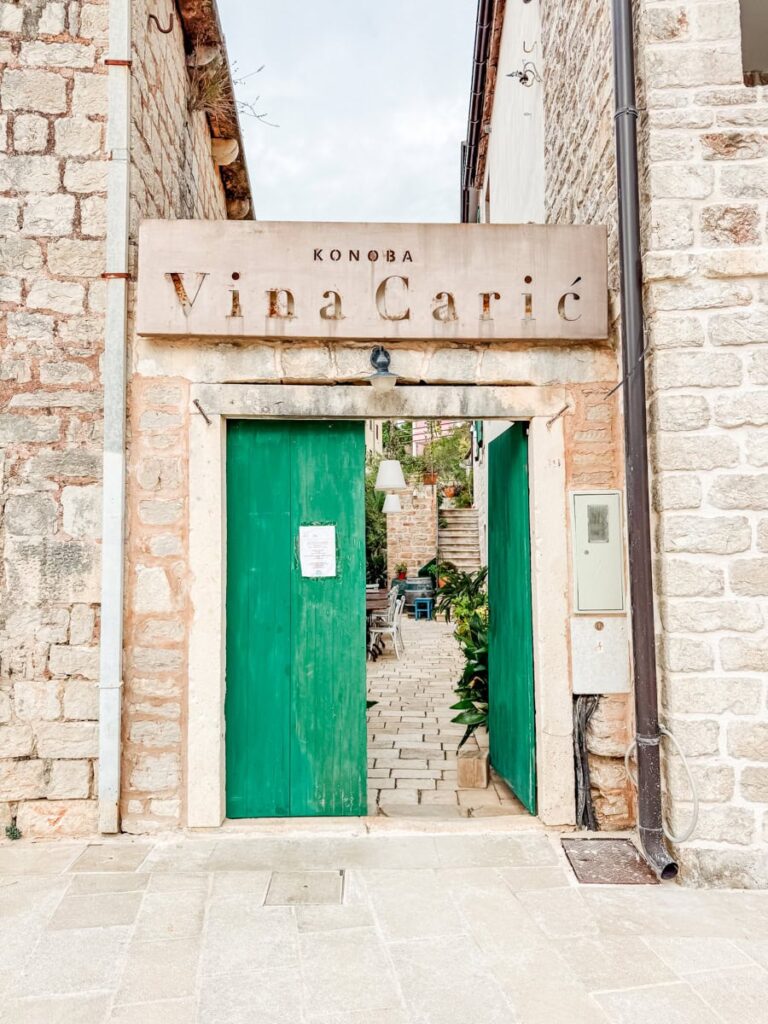
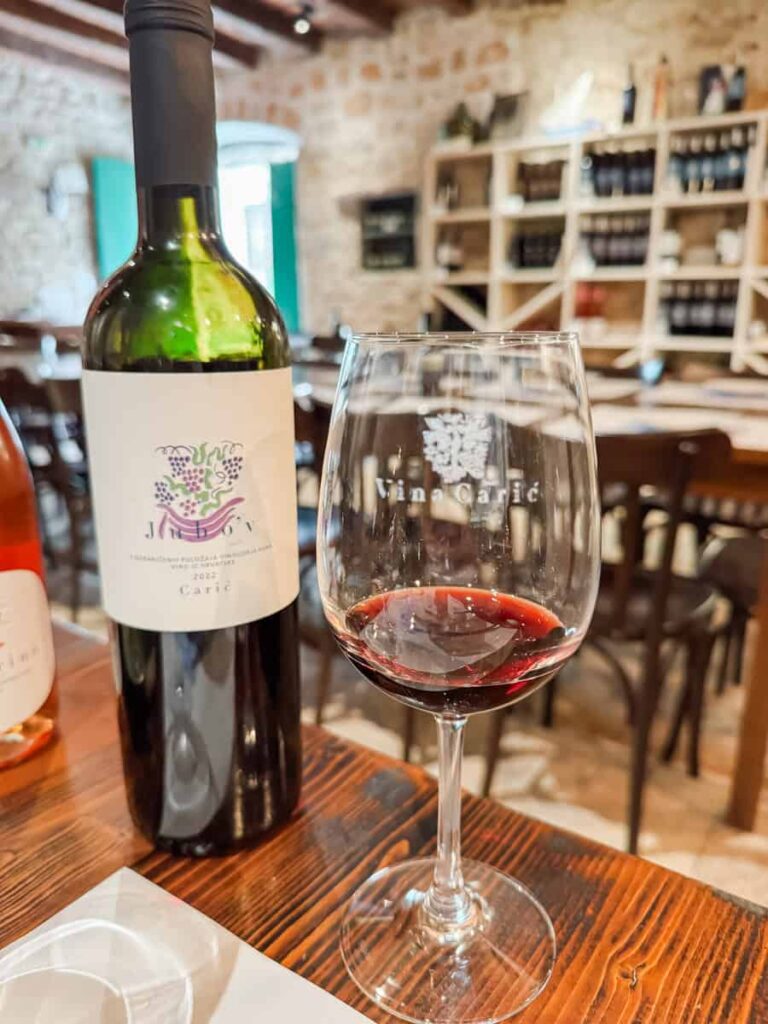
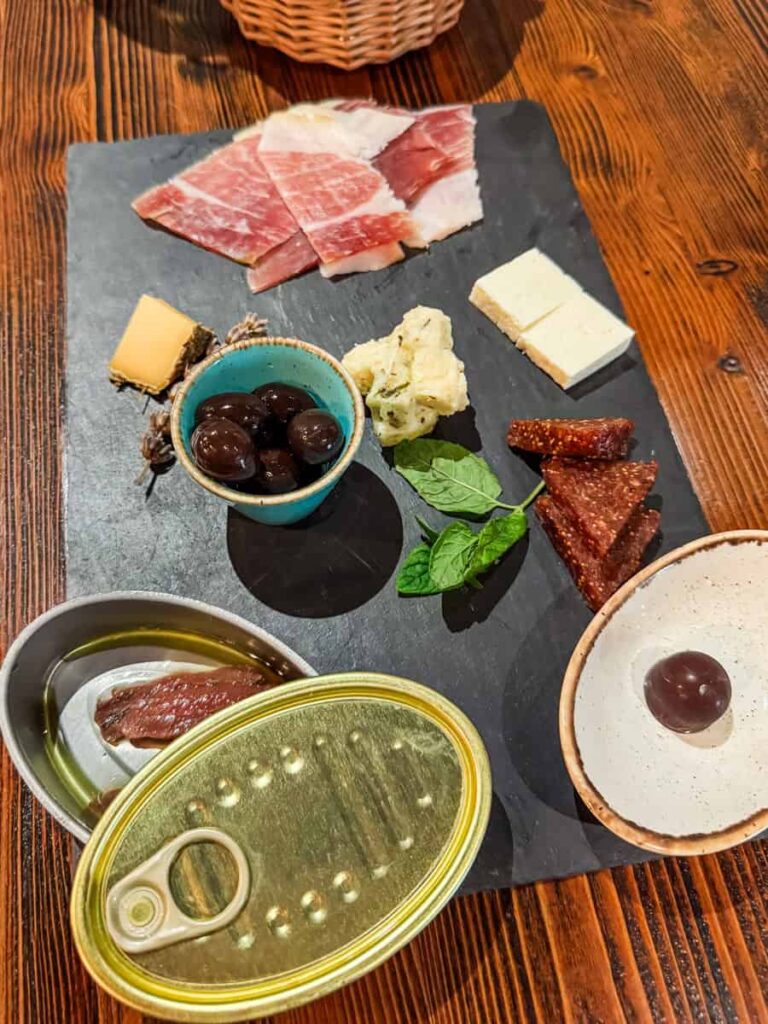
Vina Carić, Vrboska 211, 21463, Vrboska, Croatia
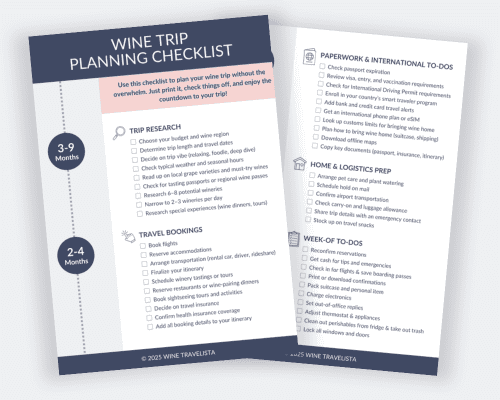
Don’t Plan a Wine Trip Without This Checklist
After years of planning wine trips around the world, I created the checklist I wish I’d had from the start. It walks you through exactly what to do and when, from early research to week-of to-dos, so planning your trip feels simple instead of stressful.
Vinarija Braća Plančić
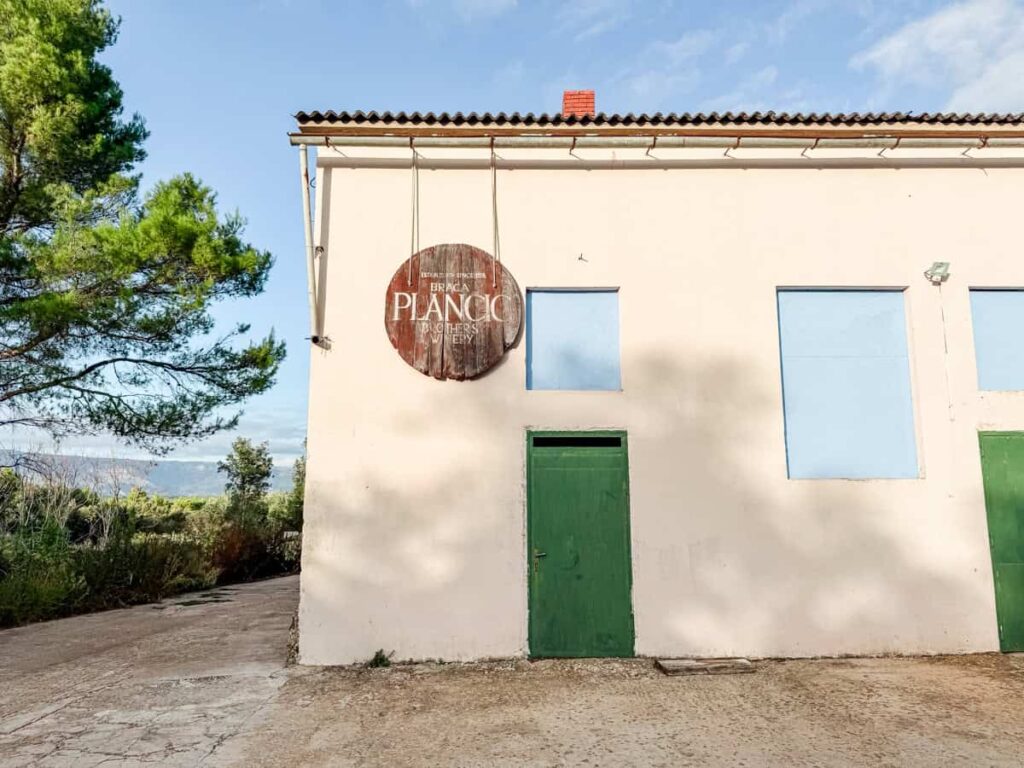
If you’re looking for a casual-style tasting with excellent wines, Braća Plančić is a great stop. It’s in the inland village of Vrbanj. The setup is simple with a few wooden tables outside that make it feel like you’re visiting someone’s home.
The Plančić family has been growing grapes here for generations. Brothers Antun and Mario started the winery in the 1980s. And Antun’s daughter, Magdalena, stepped in more recently. They focus on Hvar’s indigenous grapes, including Bogdanuša, Parč, Plavac Mali, and Darnekuša.
When I visited, Mario was pouring the wines and sharing stories, including how the island is known for reds but he prefers their whites for everyday drinking. It made the experience feel personal, unrushed, and genuinely local.
I loved the range of styles, from bright and refreshing whites to modern-style blends and traditional reds. It was a fun spot to learn about local grapes and taste a wide variety.
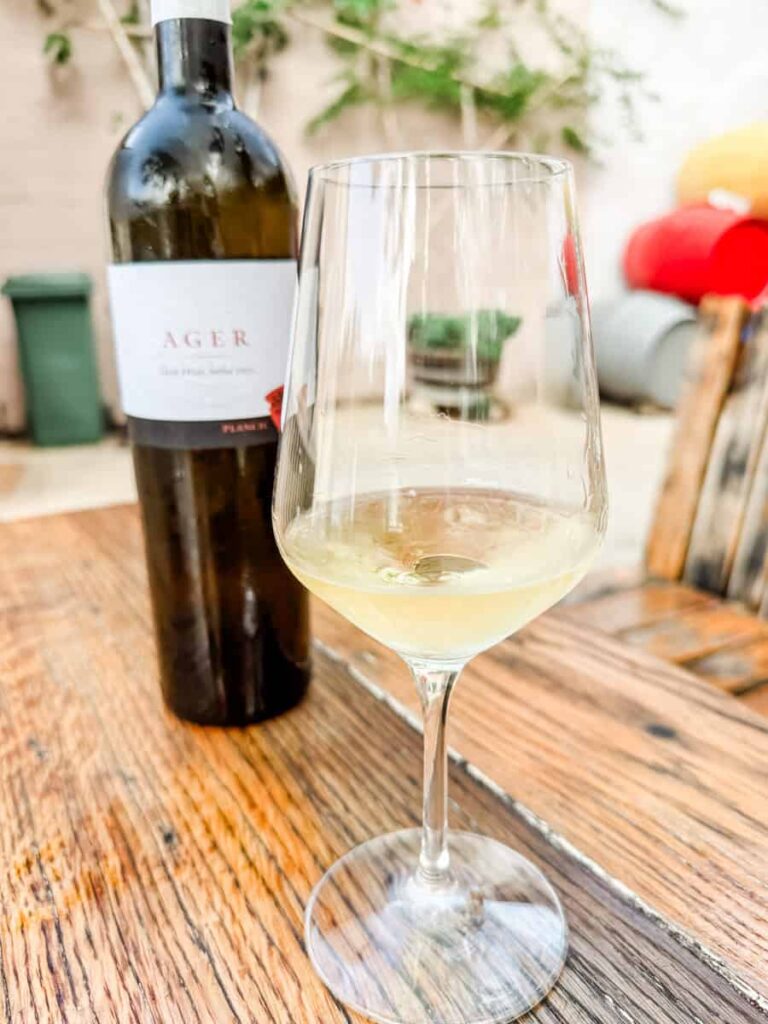
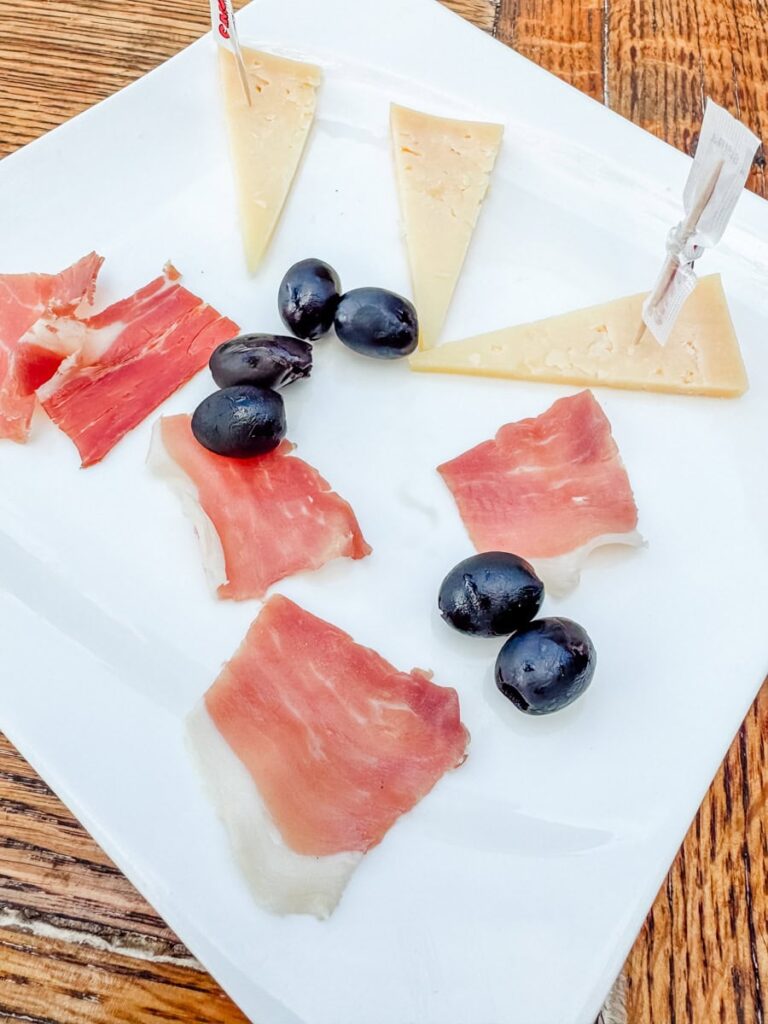
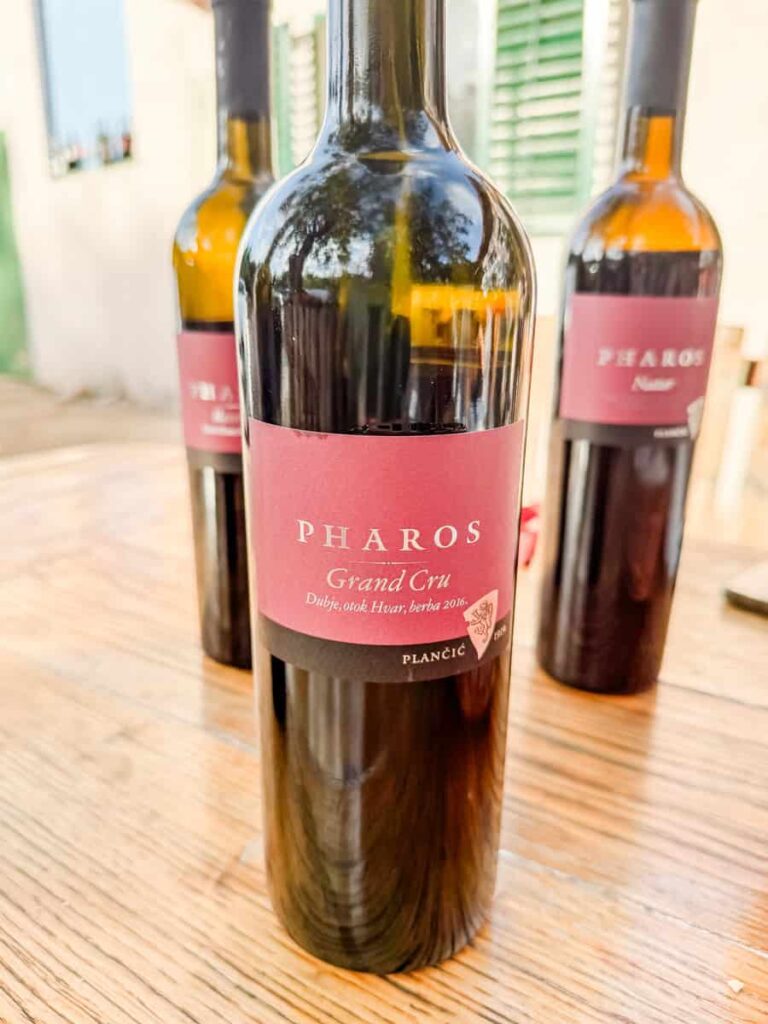
Braća Plančić, Vrbanj 191, 21462, Vrbanj, Croatia
The Best Hvar Wine Tour
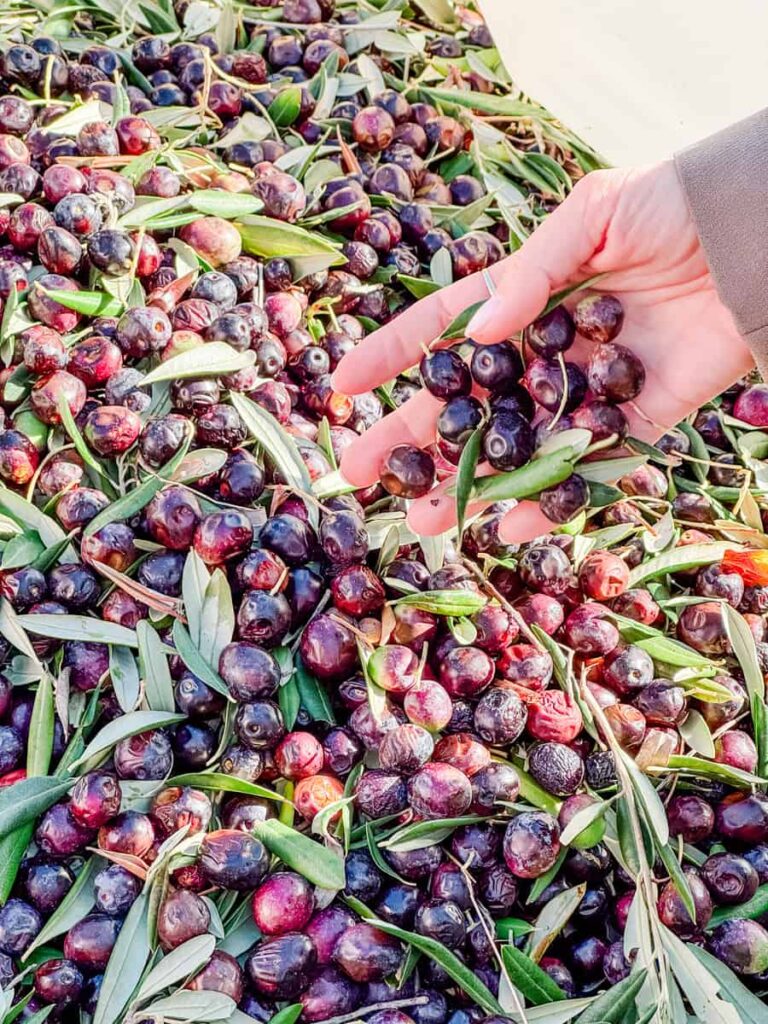

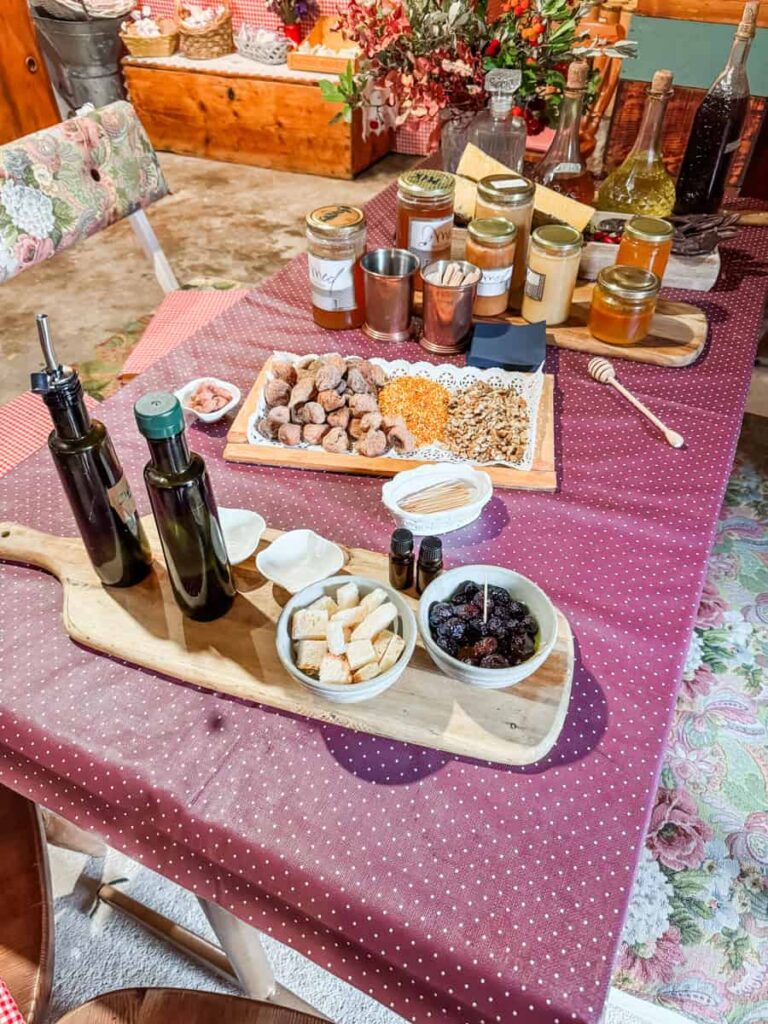
If you want to experience Hvar without worrying about logistics, I highly recommend booking a tour with Debonda Traveling. I did a wine and food tour with Zorana and loved it. She grew up on the island (back before there was electricity and running water in her village), so you’re not just tasting wine, you’re getting the real story behind the place.
On my tour, we visited Duboković Wines, and Zorana also built in other stops that made the day feel extra special, including:
- Terra Arhaica: One of my favorite experiences of the trip. We visited a traditional family home, learned about local food and wine traditions, then sat down for a homemade lunch (gregada fish stew, tingul chicken, gnocchi), plus tried their Prošek dessert wine.
- Mikletovi: Honey tasting with flavors like lavender, rosemary, strawberry tree, and sage (plus their homemade wine and grappa).
- Božić Uje Oil: We stopped spontaneously during harvest and I got to taste olive oil fresh off the press.
If Zorana is booked up (her tours are popular), another great option is the Hvar Small Group Wine Tour and Authentic Dalmatian Dinner. It includes hotel pickup, visits to two family-run wineries with tastings, and finishes with an authentic 3-course Dalmatian dinner.
🚌 Book a Tour with Debonda Traveling
🚌 Book the Hvar Small Group Wine Tour
Recommendations may be affiliate links on which I earn a small commission at no additional cost to you. This helps me share new wine destinations with you and I only recommend products and services that I love and think you’ll love too!
Where to Stay For Hvar Wine Tasting
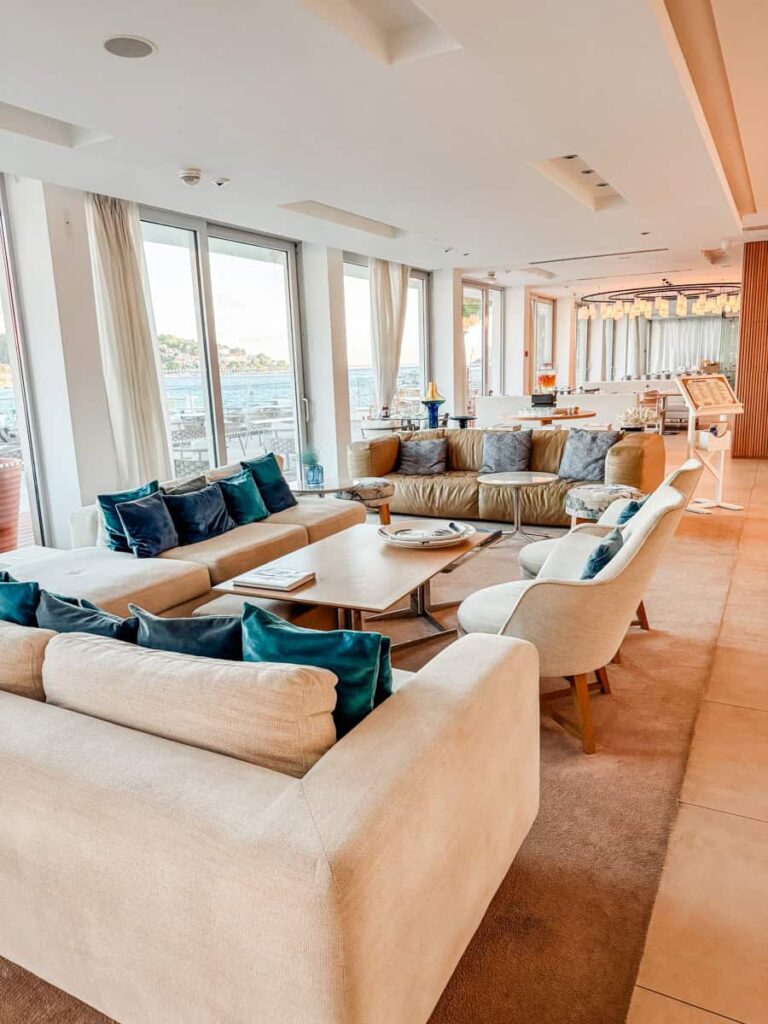
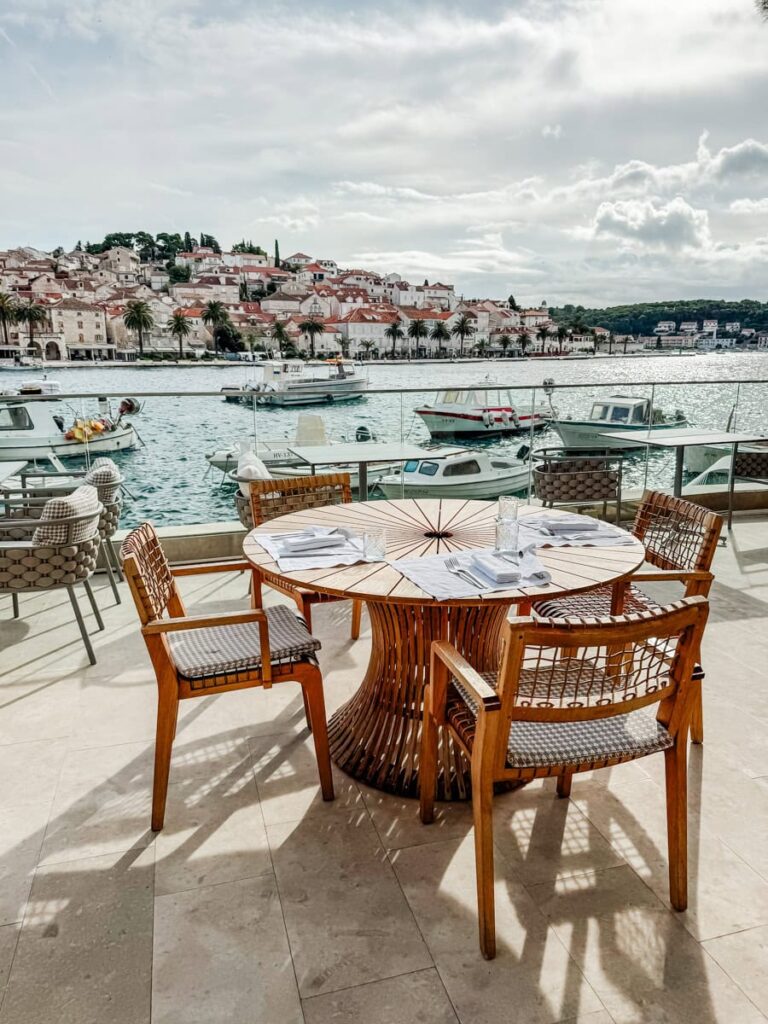
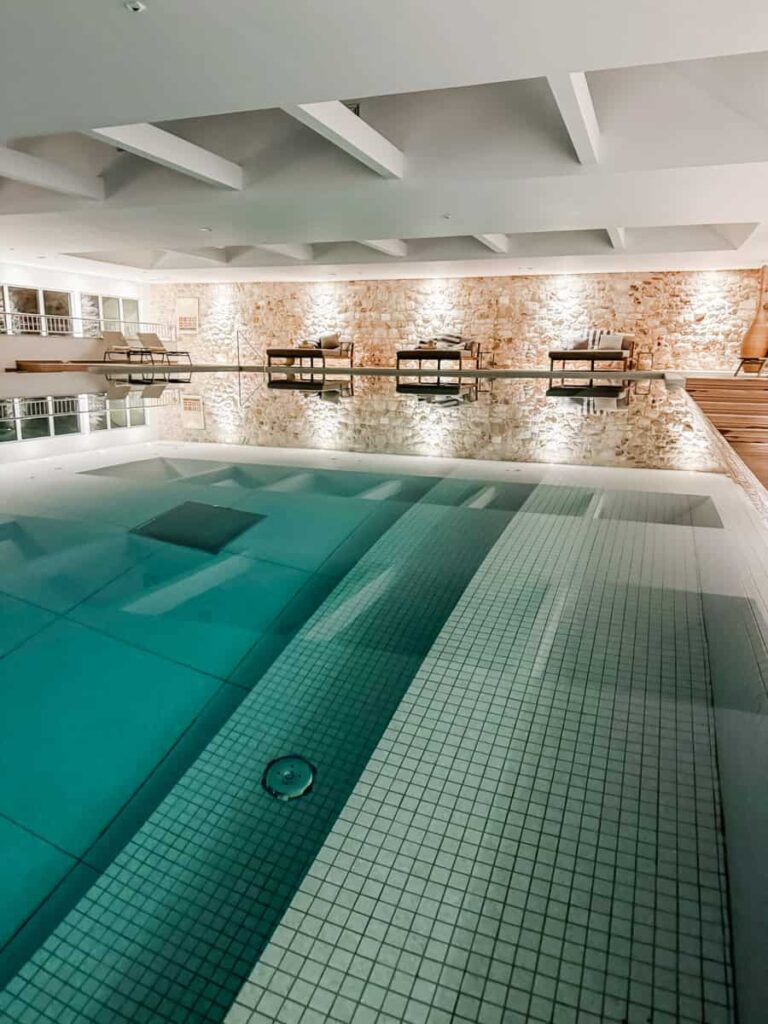
Hvar Town is the best place to stay on the island. You can walk everywhere, the restaurants and bars are close, and the ferries drop you right in the harbor. It’s lively in the summer, so if you like having things to do at night, this is the place to be. If you’re visiting during peak season, Stari Grad is a great alternative. It’s quieter, more relaxed, and close to many of the wineries.
Here are two places I recommend in Hvar Town:
- Adriana Hvar Spa Hotel – Adriana has one of the best locations in town, right on the harbor. Breakfast is included with both a buffet and a la carte menu. I loved sitting on the patio and taking in the morning harbor views. The rooftop terrace is perfect for a glass of local wine at sunset, and dinner at the hotel restaurant was one of my favorites. The indoor infinity pool connects to the spa, which has multiple saunas, a steam room, and a relaxation area included with your stay.
- Hotel Park Hvar – Hotel Park is a more budget-friendly option in the same central area, just steps from the harbor. Rooms are comfortable and come with a breakfast buffet each morning. There’s also a cocktail bar attached to the hotel, which makes it convenient for a relaxed drink at the end of the night.
🏨 Book the Adriana Hvar Spa Hotel
🏨 Book the Hotel Park Hvar
Where to Dine on Hvar
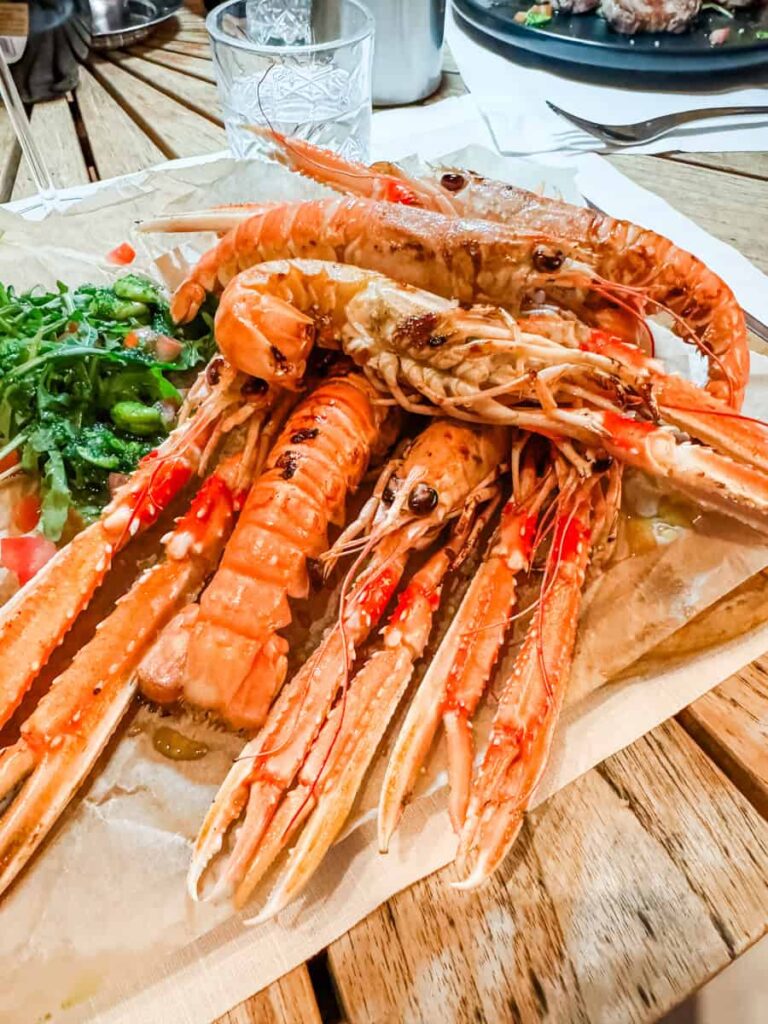
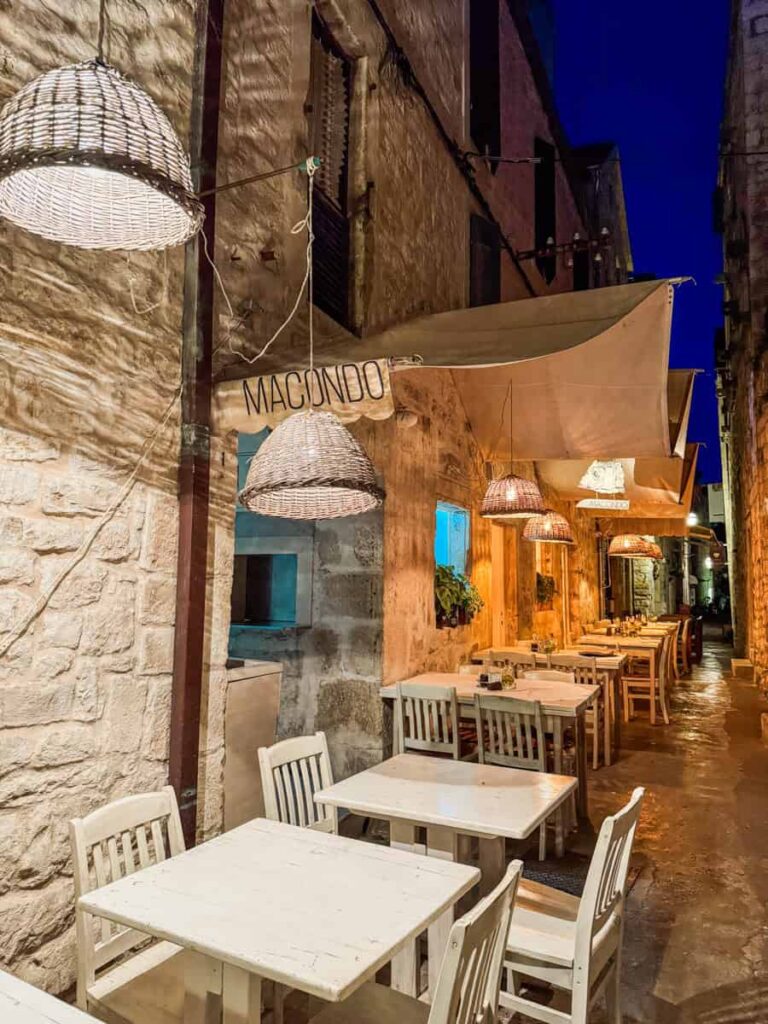
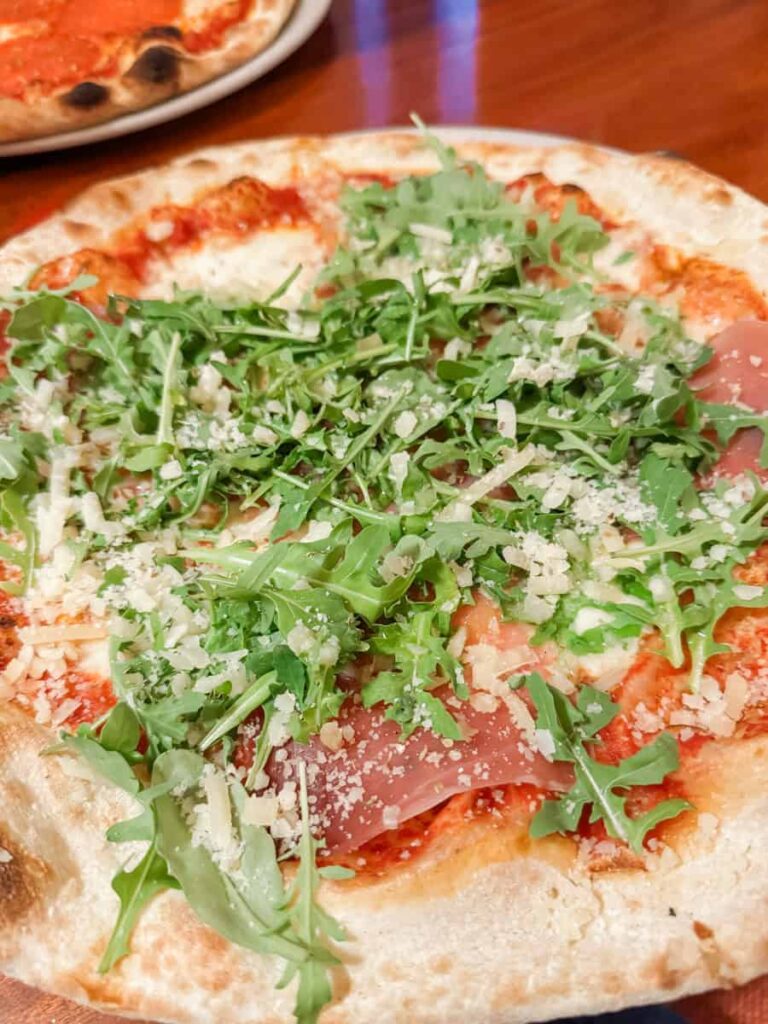
Hvar Town has no shortage of great restaurants, especially if you love seafood. Here are a few favorites I’d happily go back to.
Val Marina
My top fine-dining pick. Val Marina is located inside the Adriana Hotel, with floor-to-ceiling windows overlooking the harbor. The food was incredible. I started with mussels and octopus carpaccio plus a seafood sharing platter, then had giant scampi in olive oil and lemon-lime juice with focaccia. The chocolate marquise cake and pistachio soufflé were the perfect finish. They also have a great wine list with local producers, so it’s a good place to order a bottle.
Macondo
A Mediterranean spot with moody lantern lighting and a giant fireplace that makes it feel extra inviting at night. I loved Macondo‘s octopus salad, smoked fish pâté, and seafood pasta, but the must-order here is the gregada, the classic Dalmatian fish stew. It pairs really well with Croatian white wines like Bogdanuša and Pošip.
Dalmatino
Tucked on a side street near Hotel Park Hvar, Dalmatino is the perfect “treat yourself” dinner without feeling overly formal. It’s a steak and fish house with great service and even better food. I highly recommend the tuna steak (fresh spinach, tomatoes, pickled onions, and creamy hummus). And the wine list has plenty of Croatian and international options that work well with both seafood and steak.
KOGO
A more casual option right on the main square by the cathedral, with Italian and Croatian dishes. KOGO’s pizza is delicious. I had one with tomato, mozzarella, prosciutto, arugula, and Parmigiano Reggiano. And the tiramisu was also a must. It’s a simple place to grab a glass of Croatian wine with dinner after a day of exploring.
FAQs About Wine Tasting in Hvar
May and June are ideal with warm weather and lighter crowds. Early July is great if you want to see the lavender fields in bloom. September to mid-October also works, but the island gets quiet fast and many places close by late October.
I don’t recommend visiting in winter as everything shuts down for the season. And peak summer brings more than 20,000 visitors per day, so I’d avoid most of July and August.
The simplest route is flying into Split (SPU) and hopping on the fast ferry to Hvar Town. It takes about an hour. Or if you’re driving, you can take a car ferry from Split to Stari Grad. You could also fly into Dubrovnik (DBV) and catch a ferry from there. But it’s a longer ride and runs less often.
Hvar is best known for full-bodied red wines, thanks to the island’s intense sunshine. It’s often called the sunniest island in Europe, with around 2,700 hours of sunshine a year. But there are also a few local white varieties worth seeking out. Here are the main ones to know:
Plavac Mali (red): Hvar’s most important grape. It loves heat and sun, and it makes rich, full-bodied wines with higher tannins and darker fruit flavors. (Fun fact: it’s related to Zinfandel. Zinfandel’s Croatian match is Crljenak Kaštelanski, and Plavac Mali is one of its descendants.)
Darnekuša (red): A local Hvar grape you’ll see in blends and rosé. It helps add acidity and freshness and can soften Plavac Mali’s tannins.
Bogdanuša (white): One of Hvar’s signature whites. It’s usually crisp, light, and super refreshing, especially in warm weather.
Prč (white): Another local white variety you may see on Hvar, sometimes blended.
Pošip (white): Not unique to Hvar, but very common in Dalmatia and often grown on the island too. It tends to be fuller and more fruit-forward than Bogdanuša.
No. Most wrap up the season around mid-October and reopen in spring. If you’re planning tastings, stick to May through early October when everything is running.
Yes. Some may take walk-ins, but it’s best to contact them ahead of time. Many don’t have online booking systems, and email is usually the way to reserve. The Hvar Tourist Board page is the best resource I found for up-to-date contacts.
Check out more winery etiquette tips.
Tastings typically run €20 to €40 depending on the winery and what’s included in the tasting.
See how this compares to wine tasting costs in other regions.
Check out More International Wine Destinations
- All the Active Florence Wine Windows with Map
- The Best Porto Port Houses for Tasting & Tours
- The Best Douro Valley Wine Tour
- How to Visit Cava Wineries Near Barcelona, Spain
- The Best Tour for Bordeaux Wine Tasting
- The Best Santorini Wineries
- 3 Best Heraklion Wineries & Vineyards in Crete, Greece
- 3 Crete Wineries in Chania You’ll Love